Custom Bag Charms / Existing style + logo: 100+ pcs / Sample Before Bulk
Custom Metal Bag Charms Wholesale
Source custom metal bag charms wholesale from Eversun for premium accessory brands, boutique gift buyers and corporate merchandise teams. Start with a reference image, artwork or product idea, then confirm material, logo method, attachment, packaging and bulk quote details.
Choose a reference style or send a new design. Start with the complete charm, including its hanging parts and the attachment to your bag.

Start With Your Buying Project
A brand collection, a boutique assortment and a merchandise campaign need different decisions before a quote is useful. Choose the route closest to your project, then build the design, quantity and packing brief around that purpose.

For Accessory Brands
Start with how the charm should look and sit alongside your bag collection. Decide whether to adapt an existing reference or develop your own outline, and mark where your branding belongs.
- Send a bag photo and the intended attachment point.
- Identify the shape, finish and logo details to keep or change.
- List each design and color with its own quantity.

For Boutique and Gift Buyers
Choose a coordinated assortment by motif, appearance and hanging arrangement. An ocean theme can include different pieces; keep each configuration and quantity clear instead of treating the collection as one interchangeable product.
- Choose the references you want to compare physically.
- Set the quantity allocation by design and color.
- Describe backing cards, labels and the intended retail display.

For Corporate Merchandise Teams
Work from the campaign theme, branding and required arrival date. Include the complete gift configuration so the logo, charm, attachment and presentation can be reviewed together.
- Send the approved logo and any mandatory brand colors.
- State the total quantity and allocation for each design.
- Include the destination, required arrival date and packing brief.
Already have an approved sample or previous order? Start with that version and a short list of changes. The repeat-order brief keeps the old configuration and new requirements together.
Choose a Style to Discuss
Use these references to describe your preferred shape, color arrangement and connection. Confirm each component’s material, dimensions and available configuration for your order.
For metal charms for bags, start with the outline and complete hanging arrangement. Some references combine decorative shapes, cords, tassels and connecting hardware. Mark the parts you want to keep or change so the whole configuration can be reviewed.

Love Letter and Cord Charm
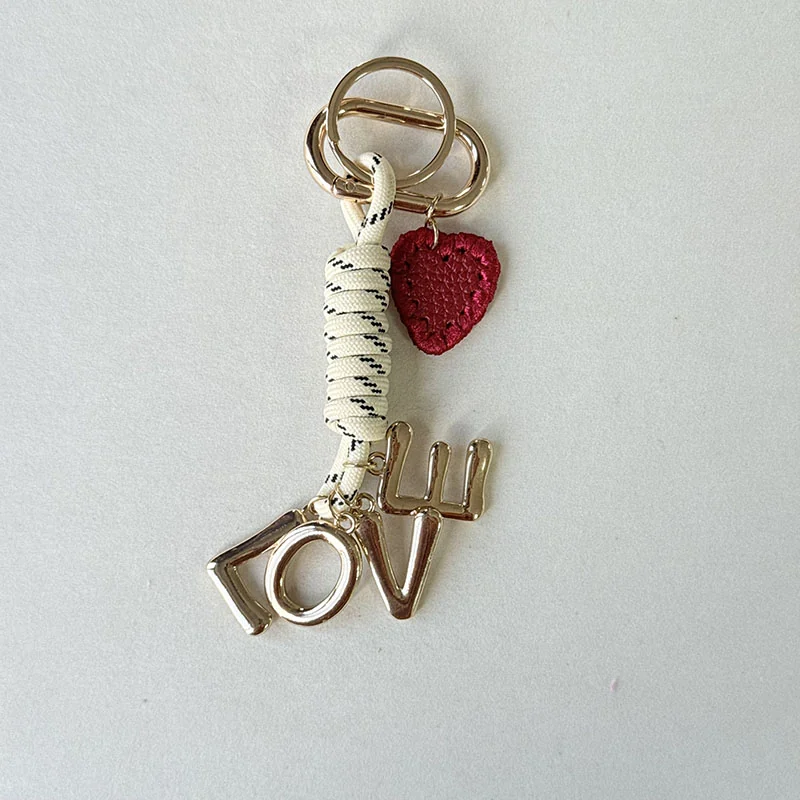
LOVE letters and a red heart hang beside a wrapped cream cord. Include your preferred letter layout, cord color and complete hanging length in the brief.
Quote This Style Ask About a Reference Sample
Tennis Racket Charm
A racket shape, yellow ball detail and colored accents create a sports theme. Specify the racket outline, accent colors and the intended attachment point.
Quote This Style Ask About a Reference Sample
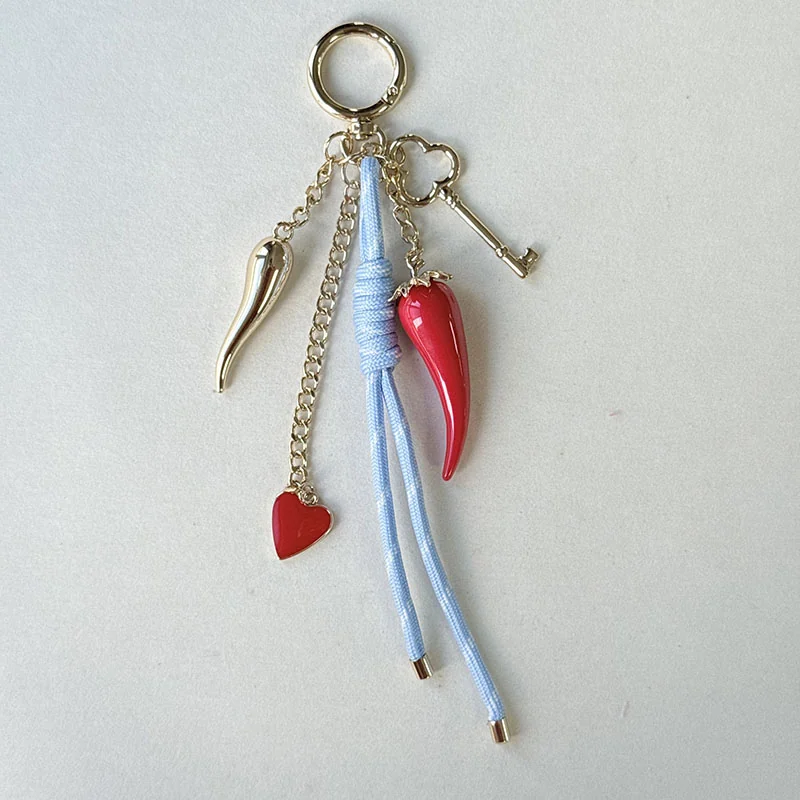
Red Charm and Blue Cord
Red accents, heart and key details, chains and a blue cord form a longer cluster. Identify which hanging pieces to retain and your target length for the complete assembly.
Quote This Style Ask About a Reference Sample
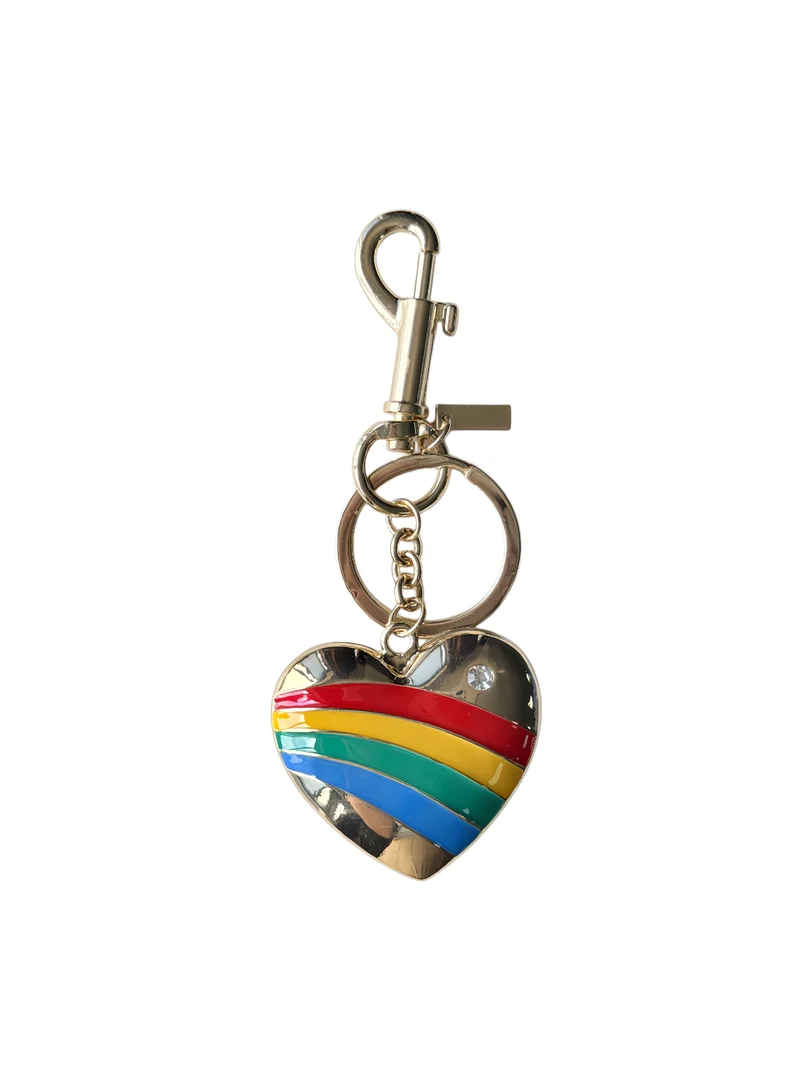
Striped Heart Charm
A striped heart hangs from a short chain below a clasp and ring. Send your stripe sequence, color reference and preferred heart size.
Quote This Style Ask About a Reference Sample
Love Letter and Heart Charms
LOVE lettering and several heart shapes share a clasp and ring. State your lettering, heart arrangement and where a logo or brand detail should appear.
Quote This Style Ask About a Reference Sample
Ocean Charm Cluster
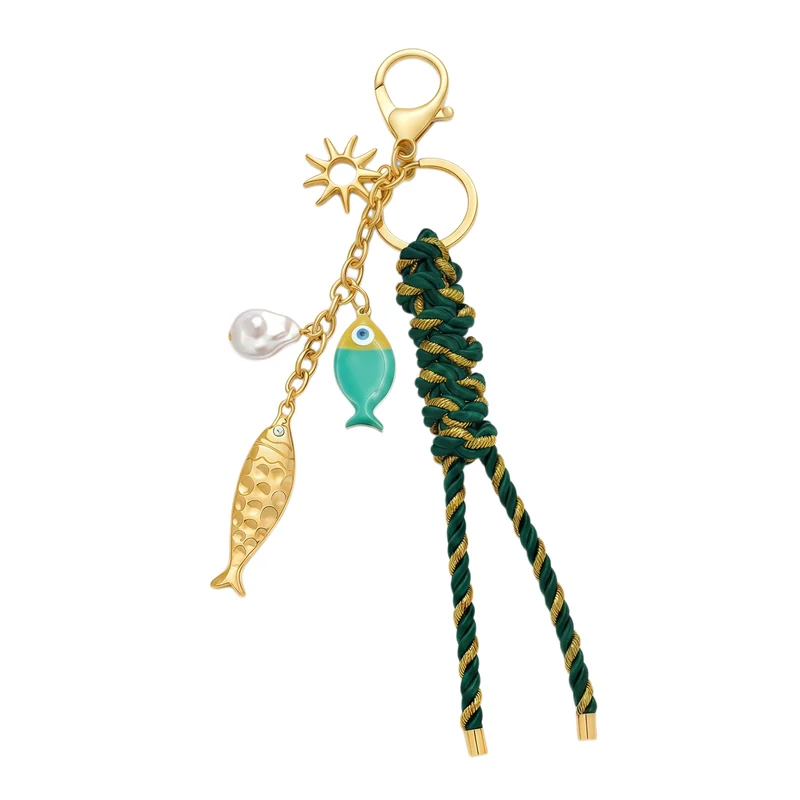
Fish, shell and starfish shapes hang on separate short chains. Choose the motifs, color arrangement and spacing you want reviewed together.
Quote This Style Ask About a Reference Sample
Cherry Charm with Leaf and Clasp
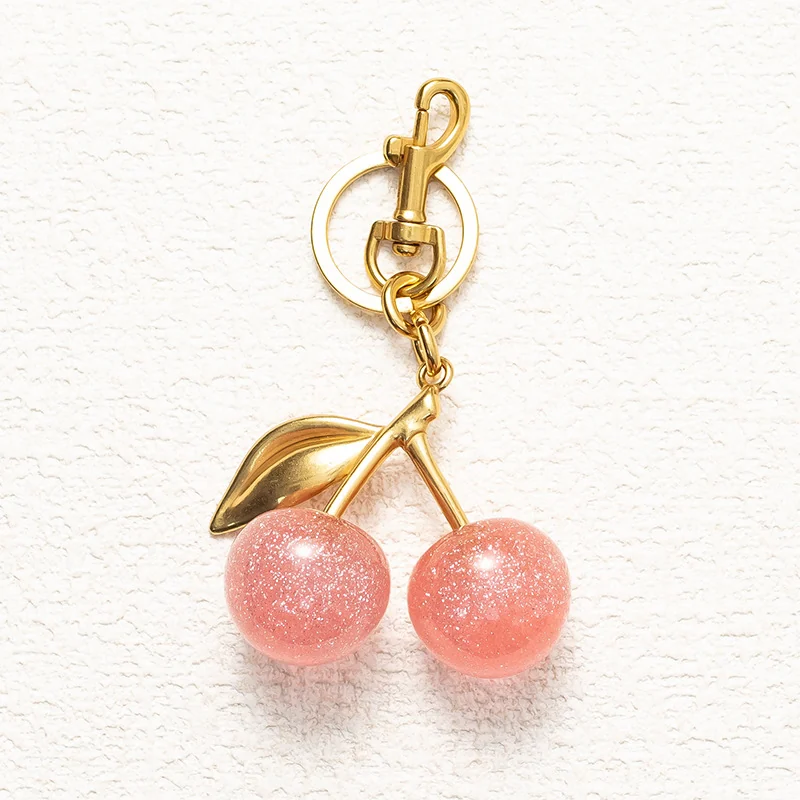
Red cherry shapes sit below a gold-tone leaf, ring and clasp. Identify the shape, color and decorative parts you want in your configuration.
Quote This Style Ask About a Reference Sample
Dachshund Charm and Tassel
A dachshund shape combines grey and black accents with a tassel, bell, ring and clasp. Mark the decorative and hanging components to keep or change.
Quote This Style Ask About a Reference Sample
Red Bow and Bell Charm
A red bow and bell arrangement has sparkling accents, a ring and clasp. Use the reference to describe the outline, detail placement and complete hanging arrangement.
Quote This Style Ask About a Reference Sample
Starfish, Shell and Blue Cord Charm
Starfish and shell shapes hang with blue knotted cord, a ring and clasp. Specify the motifs, cord arrangement and connection for review.
Quote This Style Ask About a Reference Sample
Purple Dice and Oval Clasp Charm
Purple dice shapes hang with a heart detail, star-shaped accent and oval clasp. Define the decorative pieces and their material requirements separately from the hardware.
Quote This Style Ask About a Reference Sample
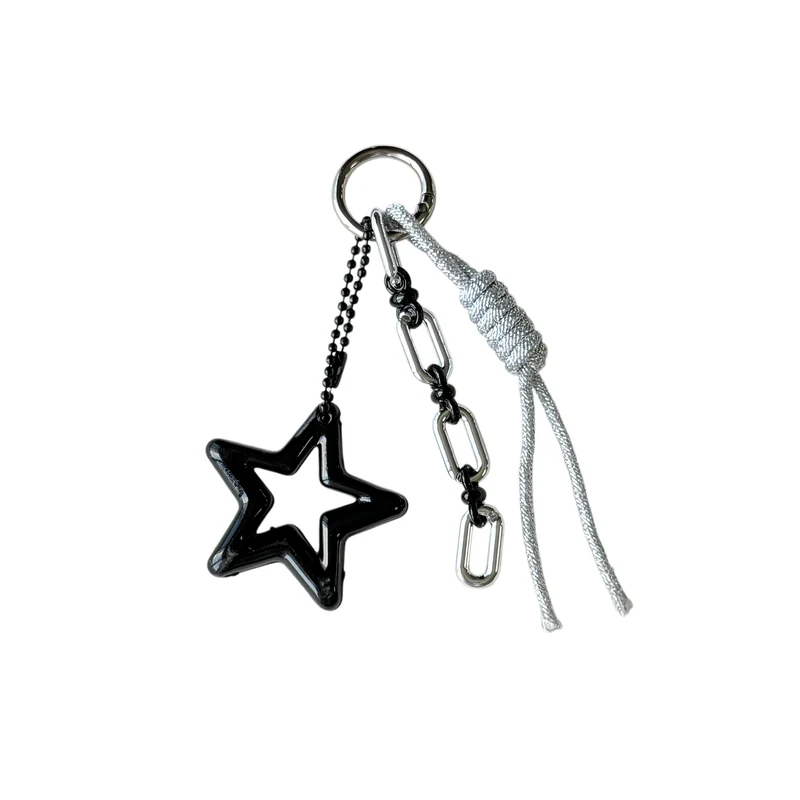
Open-Star, Cord and Ring Clasp Charm
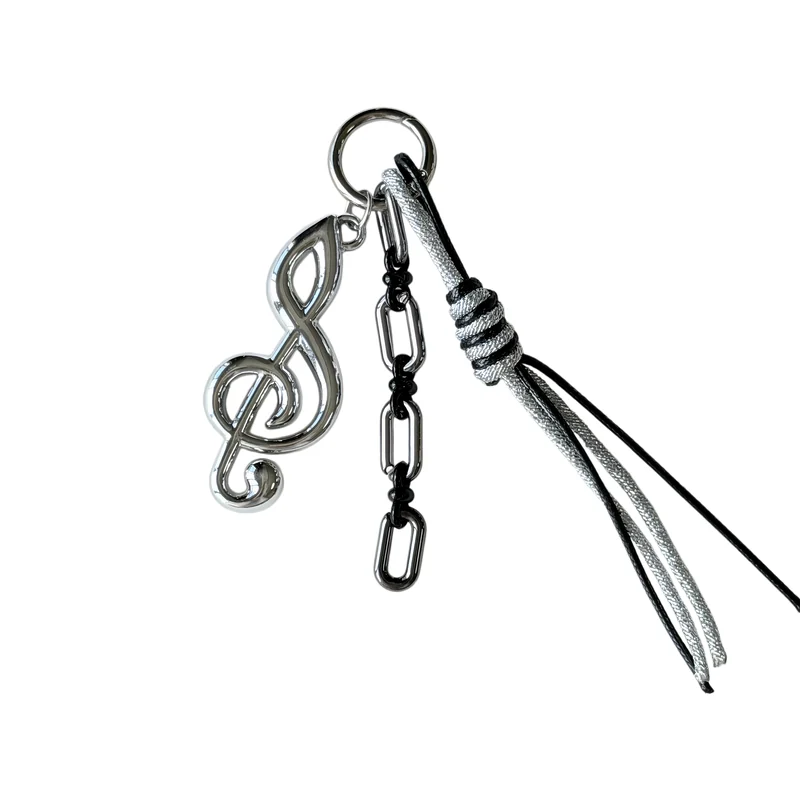
An open-star shape hangs with silver-colored knotted cord, rectangular links and a circular clasp. Record your preferred outline, complete hanging length and component requirements.
Quote This Style Ask About a Reference SampleComparing metal with other constructions? Explore the complete bag charm collection for broader custom bag charms and material routes.
Choose What to Keep and What to Customize
You do not need to settle every production detail before asking about a design. Start with a reference and mark the changes that matter. Separate an appearance change from a new shape or component arrangement, because they create different development questions.
Shape and Decorative Detail
Identify the main outline, raised or open areas and small details that define the design. Show the front and back in your artwork if both sides have requirements. A new outline may need new development; an existing shape with your logo follows a different route.
Choose the development route
Components and Hanging Layout
Mark which decorative pieces, chains, rings and cords to retain. State whether you want a single pendant or a cluster, and show the desired spacing. Treat each changed piece as part of the component list rather than leaving the assembly implied by a photograph.
Review the complete component list
Color and Collection Allocation
Choose colors for the decoration and for the connecting hardware separately. If you want a collection, label each pictured configuration and assign a quantity to it. Record whether its tassel, cord or clasp changes with the decorative color.
Specify the full color arrangement
Chain, Cord and Connection
Specify the intended connection and hanging arrangement alongside the decorative shape. For a long chain or cord design, request the complete length and weight of the physical sample. Include every end and connector in the final specification, even when a reference photo shows only part of them.
Check the connection on your bagA Useful Keep / Change Brief
Keep: the selected decorative outline and the pictured grouping. Change: the cord color to your supplied reference, put the logo in the marked area, and review a different clasp for the bag connection shown in your photo. Add the quantity for each version and the target complete hanging length.
This describes the request without assuming that every photographed component has the same material or that every change uses an existing tool. Add your material requirements and ask for the proposed configuration before sampling.
Send Your Marked Reference and LogoApprove the Complete Metal Bag Charm Assembly
For a metal bag charm, approve the metal body, chain, clasp and any mixed-material parts as one assembly. Record each component’s material and finish; a mixed metal bag charm can contain parts with different constructions even when their colors look similar.
What should be checked against the bag?
- Complete weight and hanging length, including all chains, tags and connectors.
- Clasp opening and closure on the intended handle, ring or zipper pull.
- Edge smoothness and the points where moving metal can contact the bag surface.
- Plating color across the components, logo readability and movement of any hinged or linked parts.
When asking for durability evidence, name the proposed material, finish and intended use. Agree the relevant inspection or test conditions and request the record for that construction; a generic description such as gold-colored hardware does not define the plating specification.
List the logo plate, decorative body, chain and clasp separately in the quote brief. Ask which parts use an existing blank and which require custom forming or tooling, and identify any assembly charge. Discuss a new metal design’s MOQ in its project quotation.
Return to the bag charm collection, arrange a finish and assembly sample, or submit the component brief.
Match the Attachment to Your Bag
A bag charm attachment needs to fit the actual connection on your bag. Send a close photo and dimensions of the handle, D-ring or zipper pull, with a clear view of the space available for the bag charm clasp to open and close.
- Record the connection’s width or diameter and available opening space.
- Specify complete hanging length and any limit on assembly weight.
- Show where the charm will hang, move and touch the bag surface.
- Check the agreed complete sample on that connection, including the clasp closure and moving pieces.
Confirm the decoration’s role separately from any load-bearing bag strap or handle. The reference photograph shows a clasp, links and cord arrangement; fit and contact are checked with the physical sample and your bag.

Compare the Pictured Connection Arrangements
The clasp shape is only one part of fit. Compare how it opens, what sits beside it and how the decoration hangs from it. Use these real references to describe the arrangement you want reviewed on your bag.
Lever-Style Clasp and Ring
Show the opening space around your bag ring or zipper pull. Check whether the lever can be reached and whether the separate ring or decoration interferes with closure.

Oval Clasp With a Cluster
Review the actual opening and the room taken by the connecting pieces. Check how the cluster sits and moves when attached, including contact with the bag and neighboring hardware.

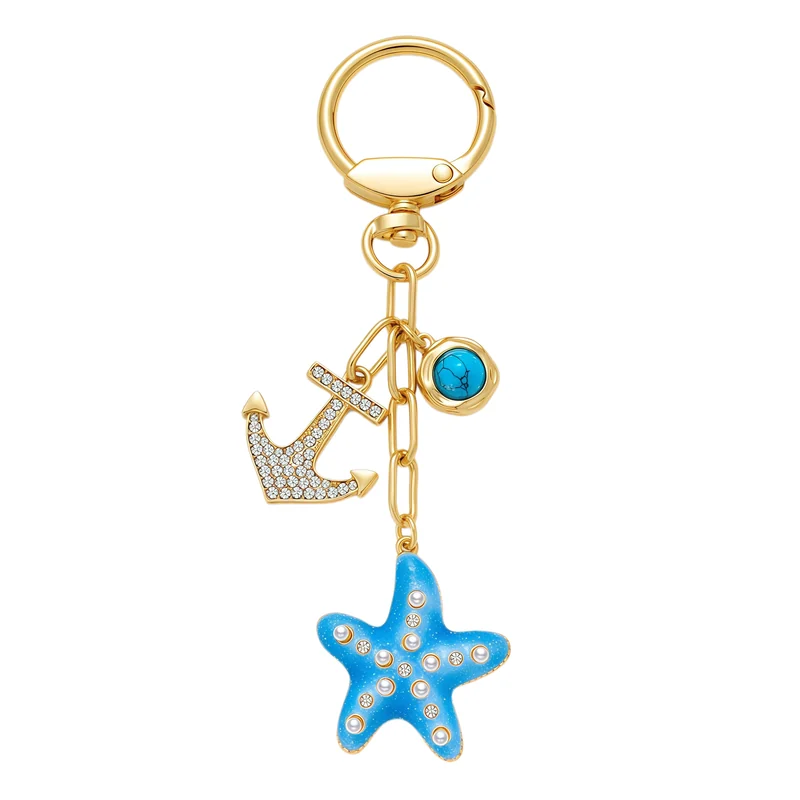
Circular Clasp and Linked Pieces
Match the clasp opening to the intended connection, then review the chain arrangement below it. Check complete hanging length, the movement of separate pieces and closure on the physical sample.
| Your bag connection | Useful information for the fit review |
|---|---|
| D-ring or handle ring | Show the ring thickness, available clearance and where the charm will rest against the bag. |
| Zipper pull | Show the opening and nearby zipper movement. Review the charm as a decoration on that connection, with its complete weight. |
| Handle or a cord-loop request | Send the handle size, surface and intended loop position. Review the whole loop and closure on the sample rather than choosing by a pictured clasp alone. |
Define Material, Finish and Logo Requirements
List the body, decorative pieces, chain, clasp and cord separately. Specify material requirements by component and use a physical color reference for the complete set.
If your brief calls for brass, stainless steel, enamel color fill or a gunmetal finish, name that requirement and the part it applies to. Feasibility, process and achievable detail are confirmed for the chosen design before sampling. A gold-tone photograph alone does not identify the base metal or coating.
Material by Component
For a brass bag charm or a stainless steel bag charm requirement, identify the body or other part that must use that material. Specify cords, tassels and decorative inserts separately. Review the proposed component list before the sample is made.
Color and Finish as a Complete Set
For a gold bag charm, a silver bag charm or a gunmetal bag charm brief, provide an appearance reference and specify the base material separately. Compare the body, chain, rings and clasp together. Identify whether the parts should match or use an intentional color contrast.
Colored Details
For enamel bag charms, identify the filled areas, color references and boundaries in your artwork. Confirm the proposed process and the achievable outline and detail for that construction before sampling.
Logo Position and Detail
Provide the artwork, placement, preferred size and appearance. Mark the front, back or separate logo plate, and show any lettering or fine detail that must remain legible. Review the proposed method with the selected shape and surface.
Use the sample to record the chosen material and finish for each part and the appearance of the complete assembly. Send your artwork and references for project review.
Make Your Appearance Reference Specific
A useful color brief describes the whole set: decoration, chain, connecting rings, clasp and any cord or tassel. Choose whether they should match or use a deliberate contrast. Screens help communicate an idea; the physical sample establishes the agreed appearance.

Separate Decoration and Hardware Colors
Name the decorative color and the hardware appearance independently. Attach a physical color reference when matching is important; a pink body and gold-tone clasp are two requirements in the component brief.

Review All Warm-Tone Pieces Together
Compare the chain, rings, clasp and decorative accents as one set. State which parts need a common color appearance and which parts intentionally use another color.

Describe a Deliberate Contrast
For a mixed appearance, label the finish or color requirement for each visible part. Record the base material separately; these photographed tones do not establish brass, stainless steel or a particular coating.
Prepare the Logo Review
Send the original logo artwork with a marked placement on the front, back or separate tag. Include the preferred size and any detail that must remain readable. Ask to review the proposed method on the chosen part, then compare the actual sample for position, contrast and legibility. Keep the final artwork version with the sample approval.
Quantity, Samples and Development Costs
Adding your logo to an existing style can start from 100 pieces. If the product shape changes, the minimum is 100 pieces per design for printed acrylic, 2,000 for soft PVC, and 1,000 for standard sewn plush. Confirm the terms for other materials and special requirements in the project quote; different designs are not combined to meet one minimum. For repeat orders, we keep confirmed specifications, logo method, packaging route and key QC notes so the next bulk order can move faster.
For a new metal shape or assembly, confirm the MOQ per design in the project quotation. The 100-piece existing-style logo route does not define the minimum for a newly developed metal body, forming tool or custom assembly.
Start from an Existing Reference
Identify the style, sample quantity and destination. Reference samples may be free, with shipping paid by the customer; confirm the charges for the selected existing samples before dispatch.
Develop a New Metal Design
Request the sampling charge and any applicable tooling or assembly charge separately. Metal custom sampling fees are not refunded or deducted from a later bulk order. Confirm the amount and scope before development begins.
Include quantity for each design and color, packaging and destination when comparing quotes. Ask for the development, sample approval and bulk production schedule for that specification. Discuss the sample route for your metal project.
Allocate Quantities by Design, Color and Finish
For a private label collection with mixed designs, list each design and its color or finish allocation separately. Confirm the quantity conditions for every line before combining them into an order. A collection total does not establish one minimum for all designs.
| Order line | Details to send |
|---|---|
| Design or reference | Identify the selected style or artwork version, with the components to keep or change. |
| Color and finish | Show the color reference and allocation for each version, including any changed hardware. |
| Quantity | State the quantity for each design and color or finish; confirm the applicable minimum for that line. |
| Configuration and packing | Keep the component arrangement, logo and packaging requirements with their corresponding quantity. |
A reference sample helps you review an existing style. A custom sample is developed to review your specified configuration. Identify the components, finish, logo and packing to be included, and confirm any revision scope and charges before sampling.
For broader material choices, use the complete bag charm collection; the new metal project’s quantity and development terms are confirmed in its own quotation.
Choose the Route Before Comparing Cost
| Starting point | What to send | What the quotation needs to resolve |
|---|---|---|
| Existing style with your logo | Selected reference, marked logo position, artwork and quantity for each version. | The existing-style logo route can start from 100 pieces. Review the selected configuration, logo method, sample charge and packing. |
| New metal shape or assembly | Front/back artwork or marked reference, component material requirements, connection and quantity. | MOQ per design, development scope, metal sampling fee, applicable tooling and revision terms. Metal custom sampling fees are not refundable or deductible. |
| Repeat order | Previous order or approved sample identity, current quantity allocation and a clear change list. | Current configuration, price and schedule; affected sample review and any tool-reuse terms when parts or specifications change. |
When requesting reference samples, say what you want to evaluate: appearance, a particular connection, the hanging arrangement or the full packing configuration. Name the selected samples and destination so the applicable sample charges and freight can be reviewed before dispatch.
Compare the Complete Quote and Project Schedule
Compare a bag charm price against the same complete configuration and quantity allocation. State whether you need an assembled charm or separate parts, then have the quotation identify the included components, work and packing.
Product and Assembly
- Body, decorative pieces, bag charm chain, rings, bag charm clasp and other components.
- Quantity for each design, color and finish, with any changed components.
- Logo, finish and assembly work included in the quoted unit.
Development and Other Charges
- Sampling, any forming tool or mold, and the scope of development.
- Packaging, cards, labels and barcodes; agreed inspection or test requests.
- Shipping scope, destination, currency and quote validity; excluded or undecided items.
Agree Tooling Terms Before New Development
Ask the project quotation to identify any new tool and its cost separately from the sample and finished product. Record the agreed ownership or use rights, storage period, reuse conditions and what happens if a design change, repair or replacement is needed. Confirm these terms for your project before development begins.
Plan from the Approval Nodes
Give your required arrival date and destination. Ask for the sampling and production schedule with the starting conditions for each stage, and keep shipment and arrival dates distinct.
- Artwork and structure: confirm the version, dimensions, components, finish, logo and connection for the proposed design.
- Development and sample: agree any new tooling, sample scope and charges, then review the resulting sample.
- Bulk release: approve the identified physical sample and written specification, with agreed corrections or tests closed.
- Inspection, packing and shipment: confirm the inspection plan, labels, packing and transport arrangement for the order.
Record which information and project confirmations are needed to start each stage. Review the affected schedule if the design, finish, quantity or packaging changes after approval.
Request a quote for your complete configuration.

Make Two Quotes Comparable
A lower unit figure is only useful when it covers the same product and order. Check these fields side by side before choosing a quotation:
- The supplied unit: assembled charm or loose parts, with the same component count and connection.
- The order allocation: quantity for every design, color and finish, rather than just a collection total.
- Appearance and branding: the same material requirements, finish, logo position and proposed logo method.
- Separate charges: sample development, applicable tooling, packing, inspection requests and freight scope.
- The schedule basis: approval conditions, production start, shipment arrangement and required arrival date.
Keep excluded or undecided items visible in the comparison. Ask for an updated quotation when the configuration changes so the product price and one-time charges remain tied to the same version.
For example, a body-only quotation and one for a charm with chain, clasp and packing describe different supplied units. Ask for both to be priced against the same requested configuration before comparing totals.
How this product is made
Artwork review
Send reference images, logo files and target quantity so we can check feasibility.
Material and hardware match
Confirm Metal, attachment, logo method and packaging before sample production.
Sample approval
Review sample photos, dimensions and packing notes before bulk production.
Bulk QC and packing
Run checks for color, surface, attachment strength and retail-ready packing before shipment.
Before bulk production, both parties must approve the identified physical sample and its written specification. Record the design version, components, finish, logo and packaging. Close required corrections or tests before approval; later changes need a new review of the affected sample and specification.
Keep One Approved Version for Production
Record the sample identification, artwork version, component list, finish, logo, packing and approval contact together. Close the agreed correction list before bulk release. If a component, color, logo or pack changes later, review the affected sample, specification, cost and schedule before production proceeds.

Build the Physical Sample Approval Pack
Keep the sample identity and the written configuration together so the factory and buyer are working from the same reference. A collection photo alone leaves too much open for a production approval.
- Product identity: design, artwork version and identified physical sample.
- Complete configuration: decoration, chain, rings, clasp and other pieces, with material and finish recorded by part.
- Fit and presentation: dimensions, complete hanging length and weight, connection review, logo and agreed packing.
- Open items: correction list and required inspection or test records, with the affected sample reviewed after changes.
- Release record: both parties’ approval of the identified physical sample and written specification before bulk production.
Inside Eversun’s Factory
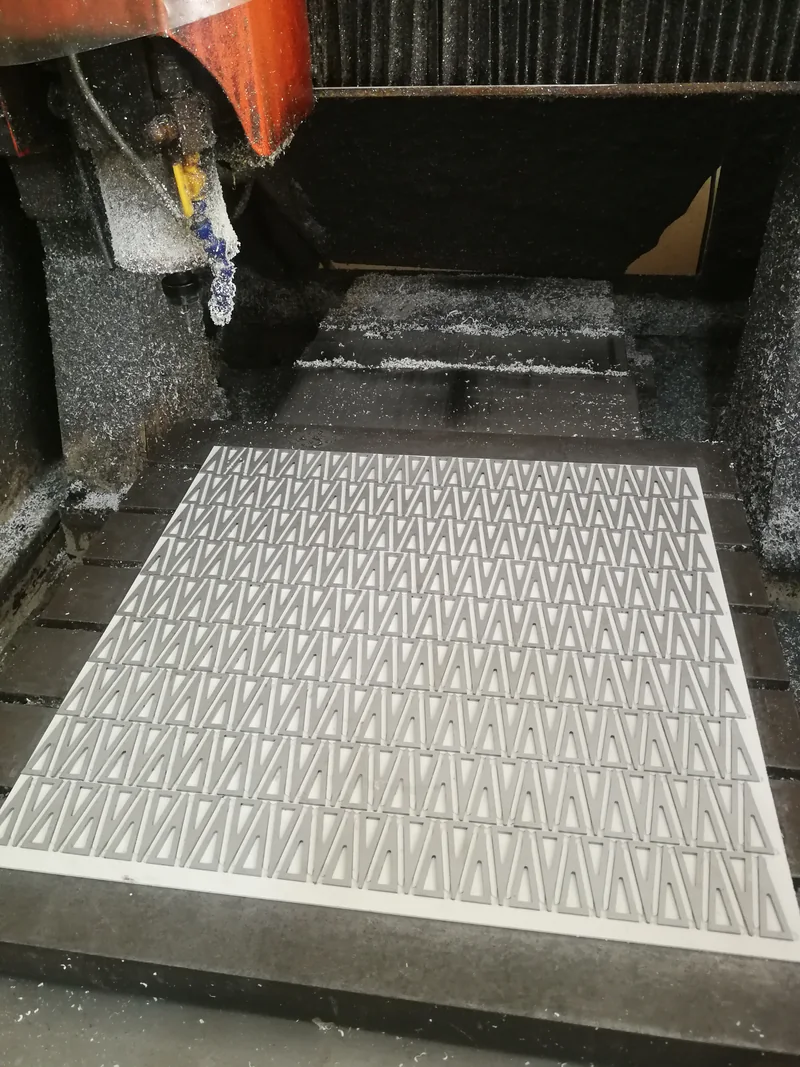
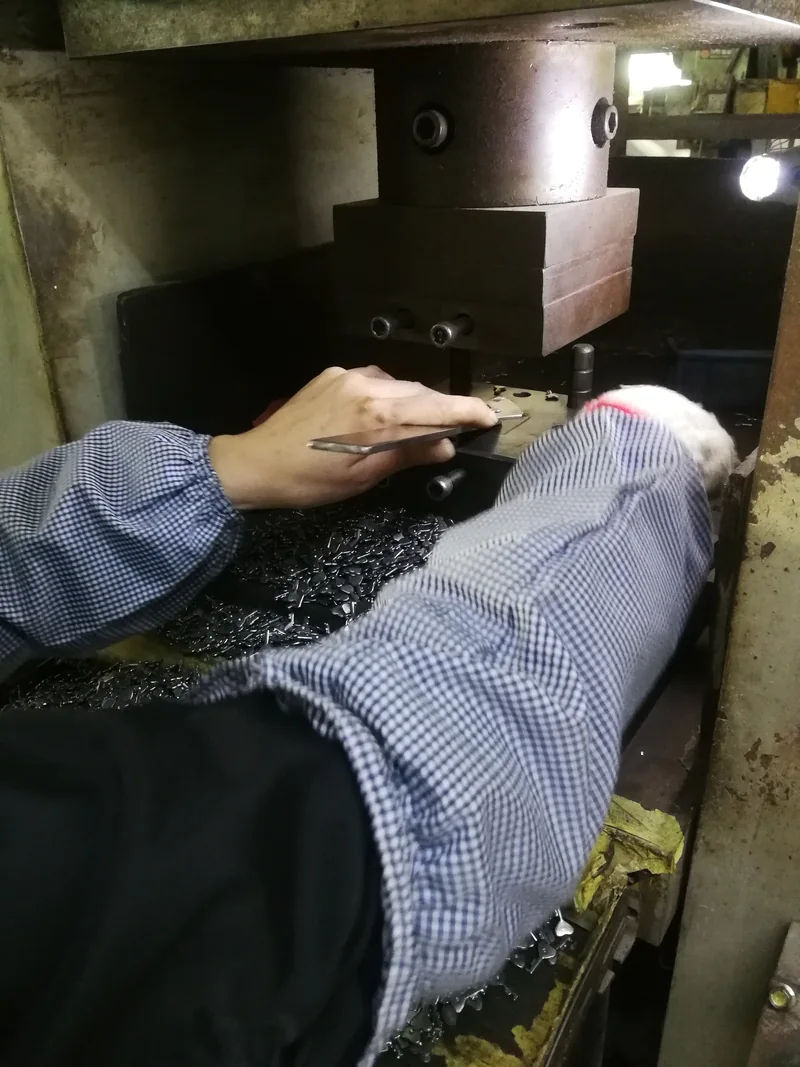
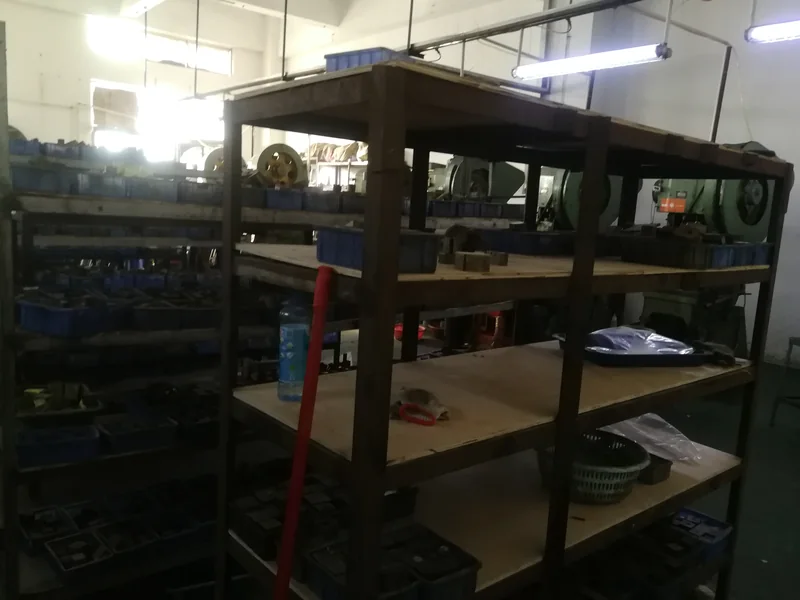
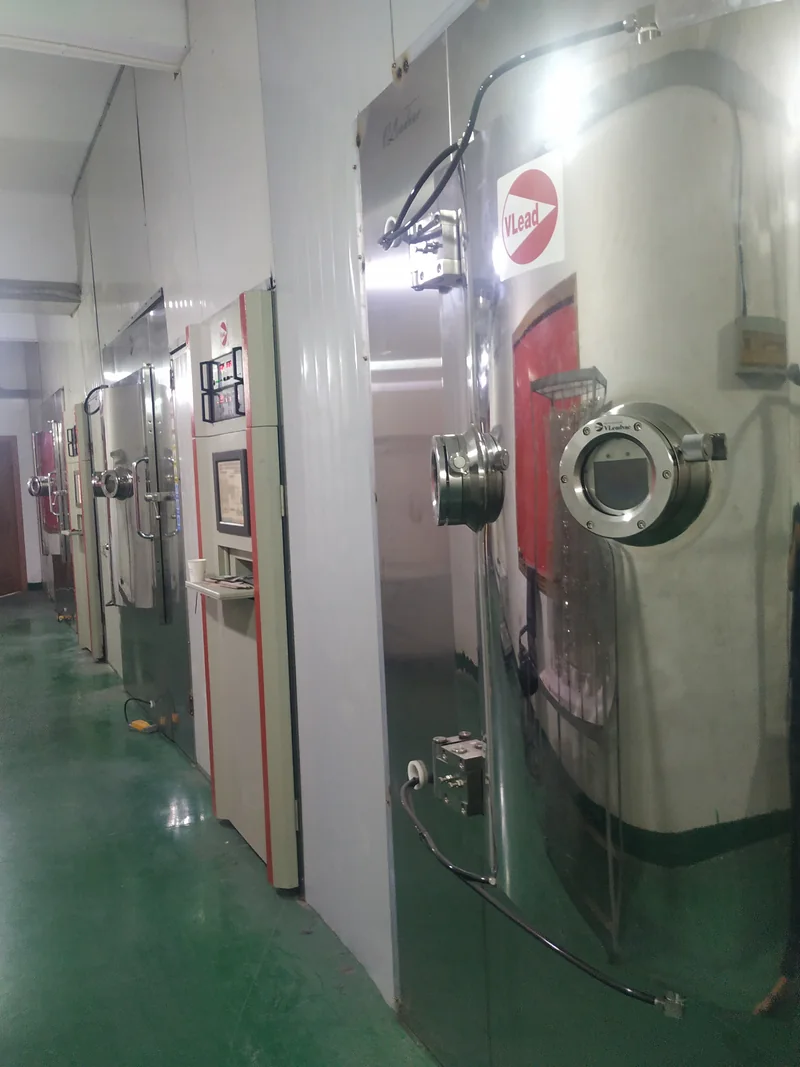
These workshop photographs are from Eversun’s own factory. They show equipment, workpieces and component-handling scenes. The group includes historical factory archive photographs from 2019.
When choosing a metal bag charm manufacturer, connect the factory discussion to your own component specification. Identify which pieces use an existing component and which need new development, then review the proposed manufacturing, finish or logo, assembly and inspection stages for that project.
The photographs provide workshop context. Confirm the applicable route and current arrangements for the chosen material and structure during project review.


Check the Finished Assembly
| Review point | What to record against the approved sample |
|---|---|
| Surfaces and color | Inspect the body, rings, chains and clasp for pitting, scratches, exposed base areas and inconsistent color. |
| Edges and contact points | Check front, back and edges for burrs or sharp points, including places that may touch the bag. |
| Closure and movement | Check clasp closure, connector gaps, hanging arrangement and movement on the intended bag connection. |
| Logo and packing | Compare logo placement and readability, component count, packing and labels with the written approval. |
Agree any durability or surface-test conditions for the specified construction and request the corresponding record. Sample approval establishes the agreed reference; it does not replace bulk inspection.
Make the Record Traceable
Use the approved sample and specification version as the reference for your bag charms quality inspection checklist. Agree the inspection scope and how any exceptions will be recorded and resolved for the batch.
- Identify the sample or batch and the component being checked.
- Match the material, finish, method, conditions and date to the construction in the order.
- Record the result and who issued it, with any correction and follow-up review.
Specify performance requests, such as plating scratch resistance, with the material, finish and intended use. Confirm the relevant method and conditions, any charges and the record to be provided before arranging a test.

Inspect Where the Parts Meet
Include the connecting points as well as the decorative face in the review. Look at ring gaps, linked-part movement, cord attachment and the back and edges of the decoration. Check the complete product on the intended bag connection against the approved physical sample.
These are product-reference photographs. The batch inspection record should identify the actual sample or batch, written version and results for the agreed checks, with exceptions and their resolution recorded.
Plan Bag Charm Packaging and Retail Presentation
Describe whether you need a plain bag, backing card, hangtag, barcode or other retail presentation. Confirm how hanging parts will be separated or secured to limit rubbing, tangling and movement in transit.
Protect the Complete Set
Show which pieces should be separated or fixed in position, and review how the chain, clasp and decorative parts are held inside the pack. Include the agreed component count in the packing check.
Match the Pack to the Design
Provide card artwork, label information and barcode files with the corresponding design and color allocation. Keep the approved artwork version and product reference together so each pack can be matched to the correct order line.
Provide quantities and destination with the brief. Review a packing sample before approval and agree the outer-carton information needed for receiving the shipment. Explore packaging options for your accessory project.
Plan Packing Around the Product Arrangement
Use the photographed pieces to identify what needs protection and what the buyer needs to see. Review the actual packed sample with its artwork and labels before approving the order presentation.

Protect the Surfaces and Small Pieces
Identify pieces that can rub against the decorative face or each other. Show where the clasp and bell should sit in the pack and how the tassel should be held. Review the packed sample for movement and component count.

Present the Design for Retail
If you need a backing card or hangtag, send its artwork and show how the charm will be held for display. Keep the decoration visible and identify where chains and cord ends should sit. Match labels and barcodes to the correct design and color.

Keep Receiving and Distribution Clear
List packed quantities by design and color, with the outer-carton information needed at the destination. Decide how different configurations should be grouped and identified so a retail assortment can be checked without losing its order-line allocation.
Prepare your card, label and protective-packing requirements, then include the selected presentation in the project quote.
Metal Bag Charm Buying Questions
Start with the decision you need to make. The answers below link to the corresponding component, quantity, quote, approval or factory section.
Does a metal bag charm include the chain and clasp?
Confirm the complete assembly in the quotation: decorative body, hanging parts, rings, clasp and any cord or other components. Record each part’s material and finish separately.
What is the minimum for a new metal design?
Confirm the MOQ per design in the project quotation. The existing-style logo route can start from 100 pieces; this is not the minimum for a newly developed metal shape or tool.
What should I approve before bulk production?
Both parties approve the identified physical sample and written specification, including components, finish, logo and packing. Close agreed corrections or tests first and review later changes before production.
Should I start from an existing style or develop a new metal design?
Choose a reference style if its shape and arrangement suit your brief, then identify the logo or component changes. For a new shape or configuration, send artwork and specifications so development, sample scope and quantity conditions can be quoted. See the project details.
Can I split the order across designs, colors and finishes?
List quantity for each design, color and finish. Confirm the applicable minimum and configuration for each line in the quotation; different designs are not combined to meet one minimum. See the project details.
What is included in the quote, and which charges are separate?
Compare the same complete configuration. Have the quote list the components, finish, logo, assembly and packing included in the unit price, with sampling, tooling, tests and shipping identified separately where applicable. See the project details.
Who owns the tooling, and can it be reused for repeat orders?
Agree tooling ownership or use rights, storage and reuse conditions in the project terms. Identify the tool, its cost and any design-change, repair or replacement conditions before new development begins. See the project details.
How do I match the finish across the charm, chain and clasp?
Provide a physical appearance reference and identify the material and finish requirement for each component. Compare the body, chain, rings and clasp as a complete set, including any intentional color contrast. See the project details.
Which parts are metal, and how are mixed-material components specified?
Specify the body, decorative pieces, chain, clasp, cord and other parts separately. A reference photo shows appearance; the component list and sample confirm the selected construction. For a mixed configuration, identify each part’s material requirement. See the project details.
Which logo method suits my design and surface?
Send the logo artwork, placement, preferred size and appearance. Review the proposed method against the chosen shape, surface and fine detail before sampling, then check the result on the agreed sample. See the project details.
Will the complete charm fit my bag without excess weight or surface contact?
Send the connection photo and dimensions, intended hanging length and any weight limit. Check the complete physical sample on your bag for clasp closure, movement and contact with the bag surface. See the project details.
What do reference samples and custom metal samples cost?
Reference samples may be free with customer-paid shipping; confirm charges for the selected styles. Metal custom sampling fees are not refunded or deducted from bulk orders. Agree the sample configuration, revision scope and any tooling or assembly charge first. See the project details.
When does the sampling or production lead time start?
Confirm each stage’s starting conditions and approval point in the project schedule. Give your required arrival date and destination, distinguish shipment from arrival, and review any schedule impact when the design, quantity or packing changes. See the project details.
How is bulk quality checked against the approved sample?
Use the identified approved sample and specification version as the reference. Agree the inspection scope, batch record and how exceptions will be recorded, corrected and reviewed before shipment. See the project details.
Which inspection or test records can I request for this construction?
State the performance requirement and construction. Confirm the applicable method, conditions, charges and record to be provided. Match the record’s sample or batch identity, material, finish, date, result and issuer to your order. See the project details.
How should the charm be packed, labeled and prepared for retail?
Define how the complete set is separated or secured, then provide packing artwork, labels and barcodes with the matching design and color allocation. Review a packing sample and agree the receiving and outer-carton information. See the project details.
What is needed for a repeat order, and what must be reconfirmed?
Provide the previous order or sample version, current quantity allocation and any component, logo, finish or packing changes. Reconfirm the specification, price, schedule and any tool reuse for the new order. See the project details.
What evidence shows the manufacturing route for my metal bag charm?
Use the factory photographs as workshop context, then connect your component specification to the proposed development, finish or logo, assembly and inspection stages. Confirm the applicable route and current arrangements for your project. See the project details.
Send a Brief for Your Metal Bag Charm
A reference image is a useful start. Add these details so the complete project can be reviewed:
Start With Three Inputs
- A reference or design: choose a pictured style or send your artwork, marking what should change.
- An order outline: quantity for each design and color, with any budget target.
- The intended use: bag connection, destination and required date.
If material, dimensions or packaging are still open, state that in the brief and list the decisions you need help reviewing. Add the final component specification, artwork and packing version before approving the physical sample and bulk order.
- Selected style or artwork and its version, with the parts you want to keep or change.
- Quantity and color or finish allocation for each design.
- Target size, complete hanging length, weight requirements and the intended bag connection.
- Material, finish and logo requirements for the individual components.
- Existing sample or new development request, packaging and label files, destination and required date.
For a repeat order, include the previous order or sample version and any changes to the components, logo, finish or packing. Reconfirm the current configuration, quantity, price and schedule, including any tool reuse, before proceeding.
For a private label collection, keep each design and color on its own quantity line. Use a reference card to start the quote, or send your new design and component brief.