
KEYCHAIN BUYING GUIDE
How to Get an Accurate Bulk Quote for Custom-Shaped Keychains
Specify the material, design, quantities and delivery scope before comparing prices for acrylic, soft PVC, metal or plush keychains.

An accurate quote starts with a defined product. Send the artwork, finished dimensions, material and finish, quantity for each design, attachment, packaging, sample requirement and delivery destination. Ask the supplier to state its assumptions and separate product charges from tooling, samples, packaging and delivery. A price without that scope is difficult to compare.
This guide is for brand buyers, gift companies and retailers planning a custom order. If you are still choosing the product type, start with the custom keychain collection. Use the steps below to turn that choice into a request for quotation, or RFQ.
1. Specify the material before asking for a price
If your RFQ uses “die-cut” to describe a custom outline, also name the material and ask the supplier to confirm the manufacturing route. The production route depends on the material: printed and cut acrylic, molded soft PVC, formed metal, or sewn plush. A shared silhouette does not make these the same specification.
| Material | Describe the product | Ask the supplier to confirm |
|---|---|---|
| Acrylic | Finished outline and dimensions, thickness, front/back artwork, transparent areas, hole position, coating and attachment. | Print construction, white-ink needs, cut line, border, file requirements and the proposed finish. |
| Soft PVC | 2D flat or 3D construction, color areas, front/back/side details, thickness and attachment. | Part breakdown, mold split, parting-line locations, tooling and any assembly charges, molded versus printed details, and physical-sample approval. |
| Metal | Base material, dimensions, thickness, plating color, enamel/print/engraving, relief and attachment. | Whether a stock blank or custom shape is proposed, tooling, finish construction and back-side details. |
| Plush | Front/back/side views, finished size, fabric, filling, embroidery/print, hanging loop and attachment. | Pattern and sample scope, how the shape will be interpreted, and details that require a physical sample. |
Acrylic: define the artwork and the finished outline separately
Color artwork and the cutting outline describe different parts of the job. State the finished width and height, and mark the attachment hole. If the two sides use different artwork, provide each side separately. Back-side lettering needs particular attention: do not assume a mirrored image will read correctly. Define the front/back artwork, print layers and attachment hole before approving the production file.
Also ask how transparent areas, white ink and an optional surface coating will be handled. Send the original design file when available and have the supplier confirm its print and cutting requirements; a file format accepted by one factory is not a universal production specification. See acrylic keychain options.
Soft PVC: compare 2D and 3D costs, parts and parting lines
2D PVC designs generally use a flat profile with raised layers; 3D PVC designs add rounded or sculpted forms. For comparable dimensions, quantities and other requirements, a flat construction generally has lower tooling costs and unit prices than a complex three-dimensional form.Two designs should not be compared on price simply because both use PVC.
A three-dimensional design needs more than a front view. More separate parts and a more complex structure generally increase tooling and production costs; if parts must be molded separately and assembled, also check the assembly charges.Parting lines, the seams that may appear where mold sections meet, affect the visible finish and must be considered alongside the mold split and part breakdown. Ask the supplier to mark them on front, back and side views, explain the separate product parts, mold sections and assembly plan, and quote tooling and unit costs against that construction.
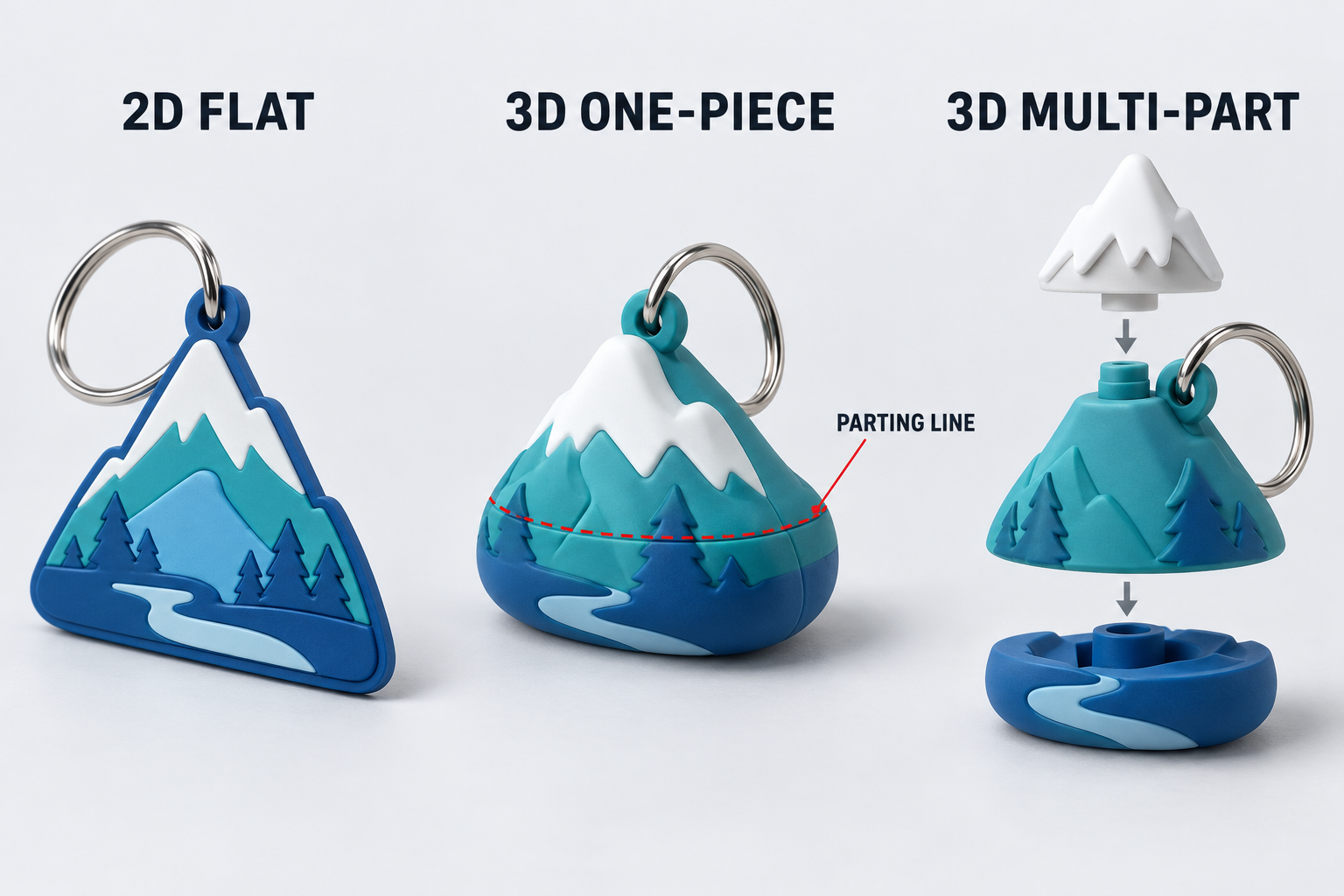
Also confirm colors and details: fine images or gradients may need a different treatment from molded color areas. Ask which details would be molded or printed, then inspect the parting lines and joints on a physical sample before comparing quotations.
If the requested material is silicone, say so explicitly. Soft PVC and silicone are separate material choices; have the supplier confirm the proposed material and construction rather than treating “soft” as a material specification. For this product line, browse soft PVC keychains.
Metal: define the base, finish and shape-making route
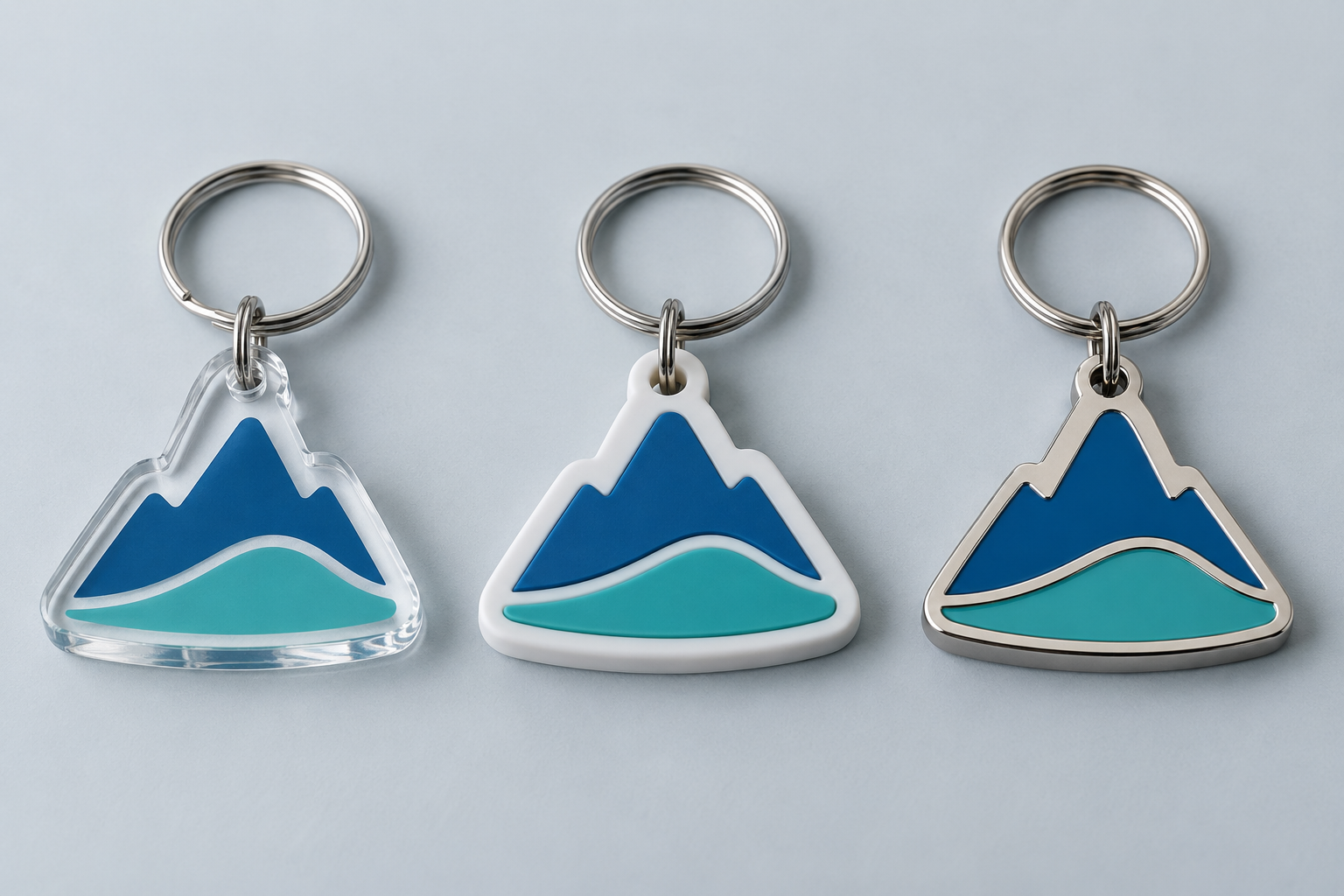
“Metal with blue coloring” is not enough to identify a finish. Soft enamel typically sits below the metal borders; imitation hard enamel is polished towards a level surface. Printed imagery, engraved details and sculpted relief are other choices. Ask which construction is proposed, along with the base material, plating, thickness and back-side treatment.
Tell the supplier whether the outer shape must be custom or whether a stock blank is acceptable. Request any shape-specific tooling charge separately. Do not select between finishes solely from a generic mockup: confirm the intended look using a suitable sample. See metal keychain options.
Plush: separate sewn designs from vinyl-face hybrids
For a plush shape, supply views showing the intended volume as well as the outline. Describe the fabric, filling, face details and attachment position. A flat drawing or digital mockup cannot settle every detail of the sewn result. Use a physical sample to confirm the silhouette and proportion. See plush keychain options.
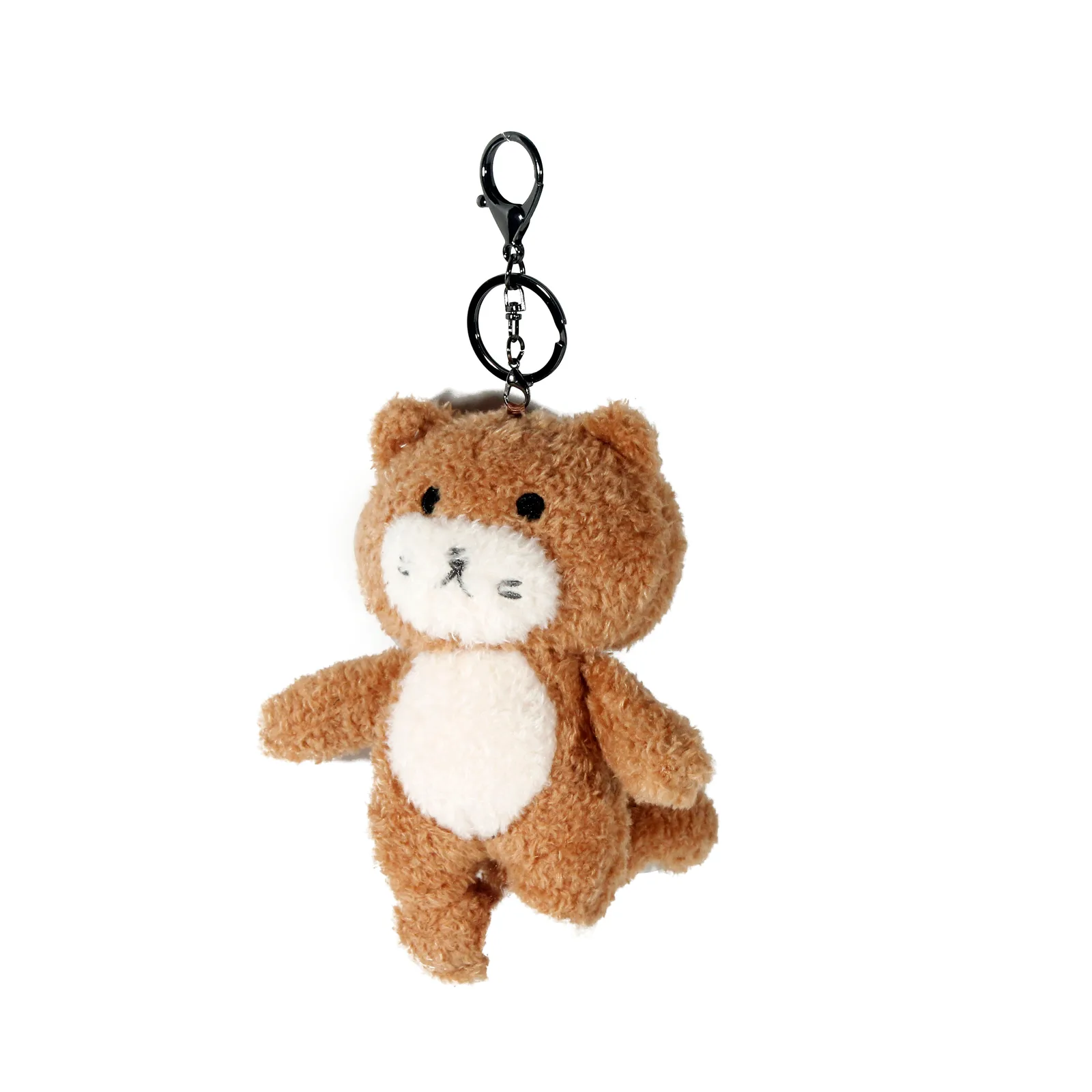

Two views of a real product reference. Confirm your own fabric, construction and approved sample separately.
Minimum quantities, sampling and dyeing details
At Eversun, a new standard sewn-plush product shape has a minimum of 1,000 pieces per design. Adding your logo to an existing style can start from 100 pieces. The development charge is a sampling fee based on sample complexity, with no separate mold fee for the sewn product.Designs that need a slush-molded vinyl face or other molded components require a separate hybrid-product development scope and quotation. Their development costs are generally higher; the standard sewn-plush sampling terms should not be applied to them automatically.
If a specific fabric color requires small-batch custom dyeing, allow an additional approximately US$74–89 for the dyeing charge, originally RMB 500–600. This is not a per-piece product price; confirm the applicable fabric, billing scope and dyeing quantity in the project quote. The USD budget uses the October 8, 2026 RMB central parity reference published by the State Administration of Foreign Exchange of China (US$1 = RMB 6.7367). It is a planning estimate, not a fixed USD quotation, and excludes other development charges.
Eversun minimum quantities and development charges
| Product construction | MOQ per new-shape design | Development charges |
|---|---|---|
| Printed acrylic keychains | 100 pieces | Any applicable charges are stated in the project quote after artwork and process review. |
| Soft PVC keychains | 2,000 pieces | Sampling and mold fees apply; confirm the two amounts separately against the artwork and construction. |
| Standard sewn plush keychains | 1,000 pieces | A sampling fee based on sample complexity, with no separate mold fee for the sewn construction. Vinyl components, custom dyeing and other special requirements need separate assessment. |
These are Eversun minimums for new product shapes, not an industry-wide standard or the minimum for adding your logo to an existing style. Existing-style logo orders can start from 100 pieces. Confirm the project terms separately for metal keychains, vinyl-face hybrids and special color requirements during artwork review. Check the quantity for every design; do not assume multiple designs can be combined to meet one minimum.
2. Make the common requirements easy to read
After agreeing the quote scope, use our keychain sample inspection and sealed-reference approval guide to record material-specific checks, required tests and the physical reference approved before bulk production.
Keep the commercial brief consistent across materials. The following checklist is a practical way to organize a quotation request; details that are undecided should be marked “please propose” rather than silently assumed.
- Purpose and artwork: describe the intended use—retail, brand merchandise, an event or a gift—and attach the design or reference.
- Finished dimensions: state width, height and thickness where relevant. Clarify whether dimensions describe the charm body or the entire item including hardware.
- Quantity by design: list the quantity for each artwork and color version. A total alone does not explain the production split.
- Attachment: specify the ring, chain or clasp and its finish; include the position and any orientation requirement.
- Packaging: identify individual bags, printed backer cards, labels or boxes, and provide artwork for customized packaging. See packaging options.
- Sample and delivery: request a physical sample if needed, give the destination and required arrival date, and ask the supplier to confirm feasibility.
You can submit design material through Upload Artwork and discuss samples through Order Samples. Agree the actual sample type, charges and approval process for the project.
An existing sample selected from our inspiration library and a newly made custom sample are different requests. The existing-sample fee and the new custom sampling fee are quoted separately. Reference samples may be provided free by agreement, with freight paid by the buyer; this does not mean all library samples or new custom samples are free. Custom sampling fees for acrylic and plush may be refunded or credited under the agreed project terms; other materials do not support this refund or credit. Confirm the amount, conditions and timing before sampling.
3. Compare the full quote on the same specification
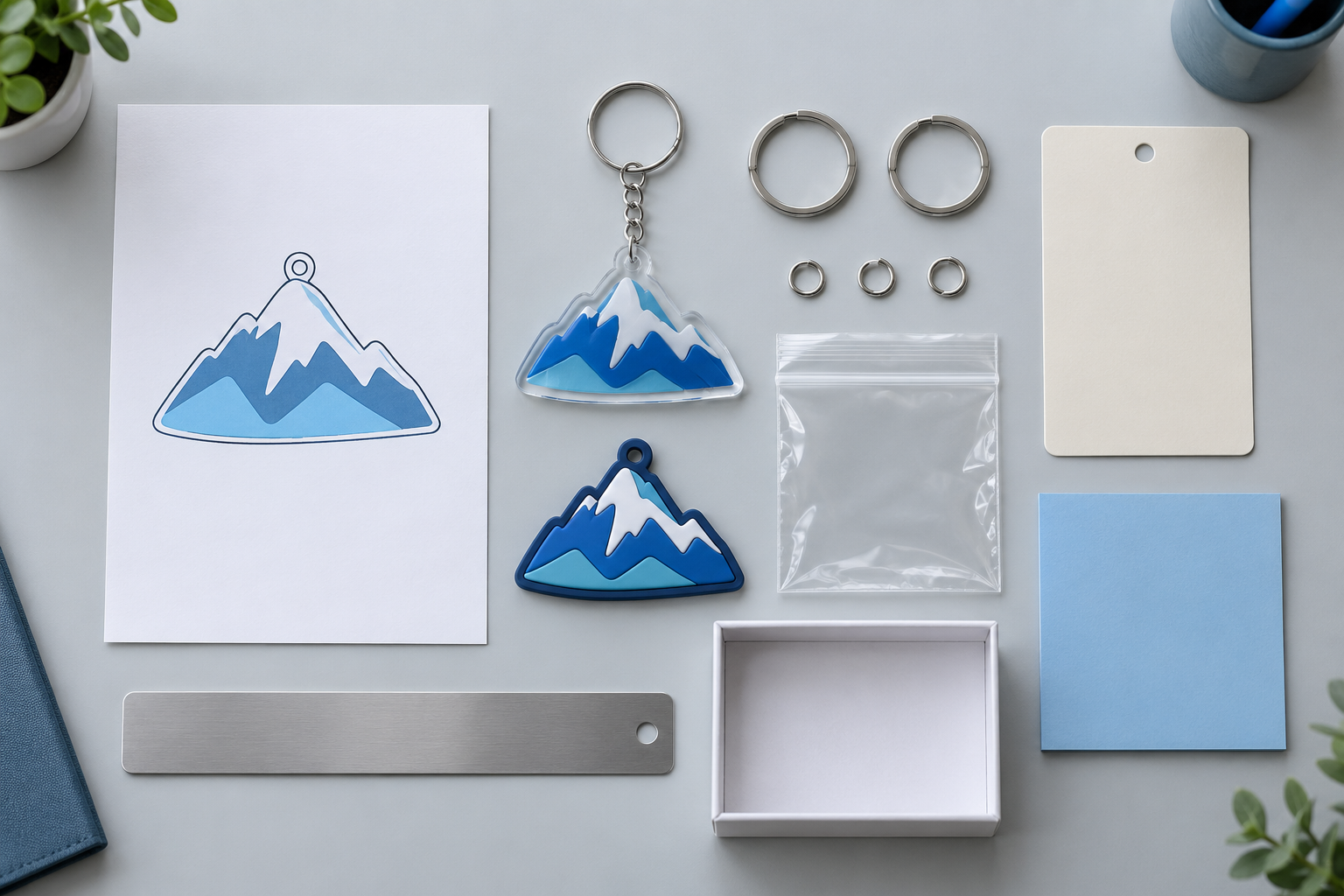
Do not label every initial charge a mold fee. New soft PVC shapes have custom sampling and mold fees, which should be checked separately. Standard sewn plush has a complexity-based sampling fee rather than a separate mold charge; vinyl-face hybrids and custom dyeing need separate assessment. Confirm artwork or cut-line setup for printed acrylic, forming tools for the proposed metal route, and any other charges against the specific design. Avoid counting a charge twice if it is already included in the quote.
The following is a comparison framework, not a price list. Have each supplier quote the same quantity, design split, dimensions, finish, attachment and packaging. If one supplier proposes a different process, request it as a clearly identified alternative.
| Quote item | What to clarify |
|---|---|
| Product charge | Unit price, quantity per design, material, finish, attachment and included packaging. |
| Tooling or setup | What is charged, which designs it covers, and the conditions for a future reorder. |
| Samples | Existing inspiration-library sample or newly made custom sample, the respective fee, any included modifications, and sample freight. |
| Customized packaging | Card, label or box specification, printing scope, packing labor and any separate setup. |
| Delivery | Ship-from and destination, freight method, applicable trade terms, and taxes/duties included or excluded. |
| Timing and approval | Sample stage, production stage, shipping estimate, quote validity and what starts each stage. |
Only add these amounts after the supplier identifies which charges are separate and which are already included. A quote with a lower unit price may cover a different finish or exclude delivery. Confirm the full scope before deciding which offer fits the order.
Where details remain undecided, ask for a preliminary quote listing assumptions. After the specification and sample requirements are agreed, request an updated quote tied to that version. Keep the approved artwork and specification with the quote so future changes are visible.
Check what changed between quote versions
Compare the component, finish and included scope before comparing totals. Keep alternatives tied to their own artwork and quote versions.
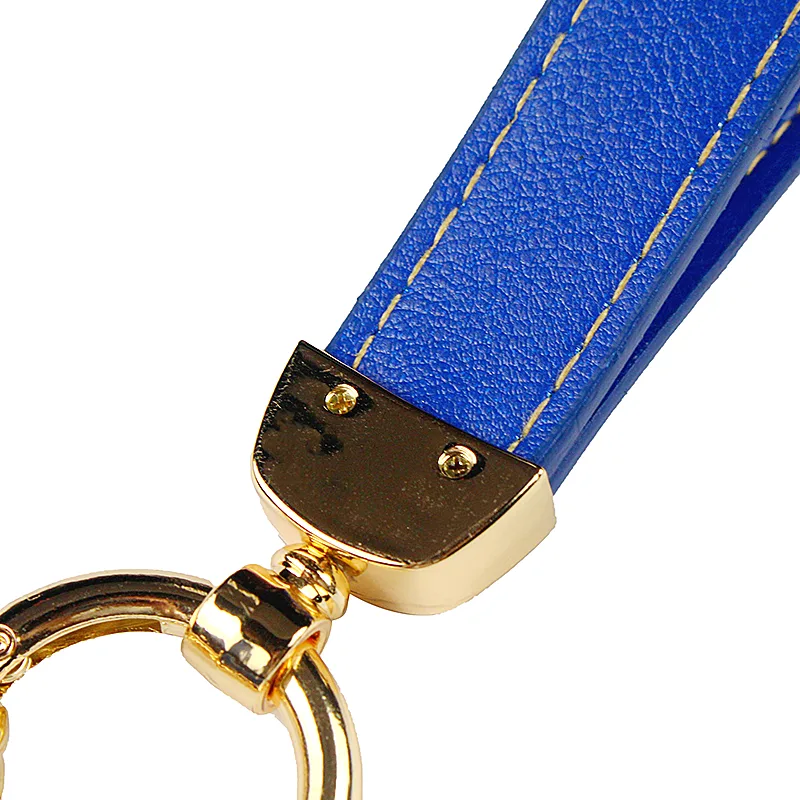
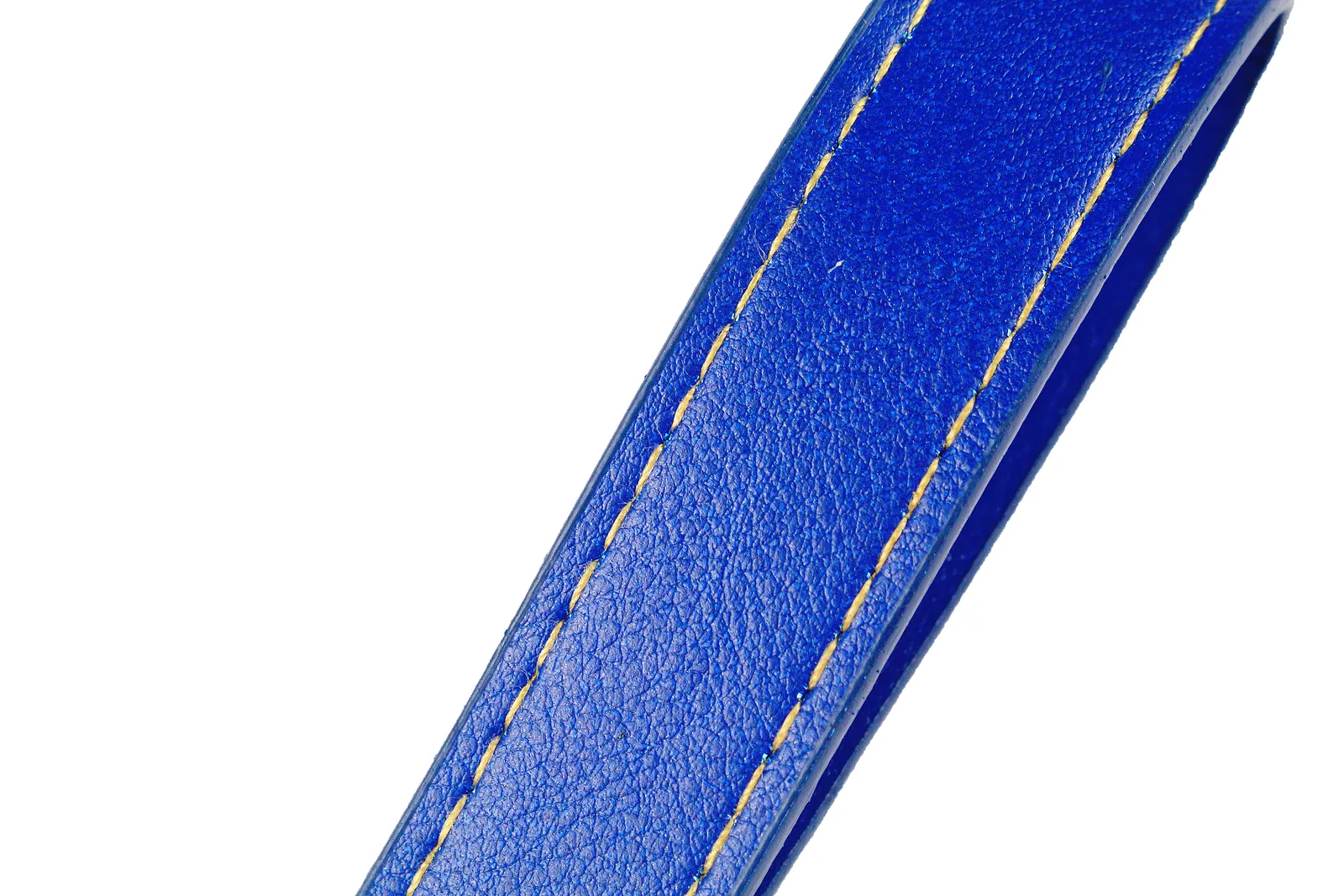
The photographs identify visible details; material, finish specification and price still require project confirmation.
Copy the quote comparison note
Use the existing RFQ template as the baseline. When a new offer arrives, compare its stated specification with that baseline before comparing the total. A changed attachment, packing format or delivery scope should appear as an explicit difference.
Copy this blank comparison note for each offer or revision. It records scope; it contains no example prices or assumed charges.
RFQ / design / artwork version: [enter]
Quote reference and date: [enter]
Quantity split and specification match: [yes / differences to list]
Alternative material, process or component: [enter / none stated]
Packaging and delivery scope differences: [enter / none stated]
Charges included elsewhere in the quote: [enter / ask to clarify]
Open assumptions or exclusions: [enter]
Sample or revised approval required: [enter / to confirm]
Clarification received / updated quote reference: [enter]
Keep alternatives separate until the supplier confirms their construction and included scope. Resolve unclear charges before adding totals. If the selected offer changes the build, update the artwork file list and the physical-sample approval record to refer to that version.
4. Copy this RFQ and replace the placeholders
This is a blank request template, not a customer order, a confirmed specification or a price promise.
Open and copy the full RFQ template
Subject: Bulk quote request — custom-shaped keychains

Company / contact: [name and email]
Purpose / buyer channel: [retail, event, gift or merchandise]
Material and process: [preferred material / finish, or please propose]
Finished size: [width × height; thickness if specified]
Artwork: [files and version; front/back; outline and hole position]
PVC construction (if applicable): [2D/3D; part breakdown; parting-line locations, or please propose]
Plush construction (if applicable): [sewn / vinyl-face hybrid; fabric color; custom dyeing needed]
Quantity split: [design A: quantity; design B: quantity]
Attachment: [ring / chain / clasp and finish]
Packaging: [individual bag / printed card / box; artwork attached]
Sample needed: [existing inspiration-library sample / new custom sample; details requiring approval]
Destination: [country, city and postal code]
Required arrival date: [date; please confirm feasibility]

Please list your assumptions and itemize product, tooling/setup,
sample, packaging and delivery charges. State what is included,
the quote validity, and the approval steps before production.
Common buying questions
Can I get a quote without a finished design?
Send a reference and identify what remains undecided: shape, size, material, printing or packaging. Ask for a preliminary quote with its assumptions written down. Confirm those choices before treating the quote as the basis for an order.
Can different designs share one total quantity?
Provide the quantity for each design and ask how the supplier calculates the order. Do not assume that several different artworks qualify for the same unit price, setup or mold charge.
Does custom-shaped mean die-cut for every material?
No. Specify the result and material, then confirm the production route. Acrylic, molded PVC, metal and sewn plush should not be quoted as one interchangeable process.
Can I use a general online unit price to budget the order?
Use it only if its material, quantity, dimensions, finish and included charges match the project. An order-specific quote should state the scope. Check whether the order adds your logo to an existing style or requires a new product shape, then apply the relevant minimum above; this guide does not set a universal unit price or fixed delivery time.
Turn your product idea into a quote request
Choose a material from the keychain collection, attach your artwork and send the completed brief. If a choice is undecided, name it so it can be reviewed.
Continue Planning Your Keychain Project
Use the keychain purchasing page to choose a product direction and the keychain guide index to find supporting articles. Keep one specification and quantity per design when requesting comparable quotations; any price example should identify its quotation date and project scope.
View the quote-scope reminder