
Personalized Keychains Bulk: A Buyer’s Guide to Materials, MOQ, Samples and Packaging
Article contents
- Start With the Program, Not the Keychain Shape
- Choose the Material Around the Design and Use Case
- Separate an Existing Style From a New Custom Shape
- Define MOQ Per Design, Colorway and Package
- Turn the Artwork Into a Production Brief
- Specify the Hardware as Part of the Product
- Use Samples to Approve the Actual Configuration
- Plan Packaging With the Product
- Compare Quotations on the Same Basis
- Build a Bulk Quality Checklist Before Production
- Follow a Clear Order Sequence
- RFQ Checklist for Personalized Keychains in Bulk
- Frequently Asked Questions
- Prepare Your Personalized Keychain Project
Purchasing priorities
- Consistency: Can each design, colourway and personalised version be produced, packed and reordered against the same approved records?
- Total cost: Does the comparison account for per-design quantities, logos or variable content, hardware, initial charges and packaging, rather than only the total order quantity?
- Timing: When must artwork, personalisation data, samples and packaging be approved to assess whether the required in-hand date is feasible?
Personalized keychains look simple, but a bulk order can involve several connected decisions: the material, size, logo method, attachment hardware, quantity per design, sample route, retail packaging and delivery destination. If these details are not defined together, two quotations that appear similar may cover very different products.
For a reliable personalized keychains bulk order, start with the intended use and sales channel. Then turn the design into a written specification that every supplier can quote against. A clear specification also gives your team a reference for sample approval and bulk inspection.
This guide explains the decisions a brand, promotional buyer, retailer or gift company should make before requesting a quotation.
Start With the Program, Not the Keychain Shape
Before comparing materials or unit prices, define what the order needs to achieve. A trade show giveaway, a retail collectible, a membership gift and a branded accessory collection do not need the same construction or packaging.
Answer these questions first:
- Who will receive or buy the keychain?
- Will it be given away, sold individually or included with another product?
- How many designs, colorways and packaging versions are required?
- Does every piece carry the same logo, or does personalization vary by name, location or SKU?
- Will the product be displayed on a retail hook, packed inside another box or shipped directly to an e-commerce customer?
- What destination country and required delivery date apply?
These answers affect the material, decoration method, minimum quantity, packaging and inspection plan. They also help the supplier separate a straightforward logo application from a completely new product development project.
If you are still choosing a product direction, review the Custom Keychain Style Gallery before preparing the request for quotation.
Choose the Material Around the Design and Use Case
Eversun can discuss resin, acrylic, plush, soft PVC, silicone, slush/rotocast forms, injection-molded ABS and TPR squeeze charms, together with metal, leather/PU, textile and cord builds, and bead combinations. Identify the body, finish and attachment components separately in mixed products.
Choose the build for the artwork and use case, then assess consistency, complete cost and schedule against one specification. The table is a briefing and sample-review tool; exact materials, minimums, charges and timing are confirmed in the project quote.
| Material / route | Design direction | Consistency checks | Cost and schedule variables |
|---|---|---|---|
| Resin | Sculpted characters, miniature forms, souvenirs and decorative charms | Approve detail, bubbles or chips, paint boundaries, protrusions and attachment points; retain the sample for production and reorders. | Size, construction, tooling and painted detail affect cost. Plan approval of the model, mold, formed piece and finish. |
| Acrylic | Printed artwork, clear or layered effects and flat silhouettes | Check the sheet and thickness, front/back registration, cut edges, hole position, protective film and finish; check sealing separately for shaker or liquid effects. | Sides, layers, size, doming and shaker construction affect cost. Approve print, cutting files and special effects separately. |
| Plush | Soft mascots, character charms and tactile gifts | Check fabric, filling, face details, seams, shape and the hanging loop; agree how to assess pieces after compressed packing. | Panels, fabric, embroidery or print and extra parts affect labor and cost. Approve the pattern and face before production. |
| Soft PVC dispensing / molding | Separated color areas, relief logos and 2D or 3D mascots | Check color boundaries, relief, thickness, feel, flash and the attachment hole, beyond the front artwork. | Color areas, relief, sides and mold construction affect cost and work stages. Approve color separation, tooling and the physical sample in sequence. |
| Silicone | Soft-feel molded charms, loops and mixed-product components | Specify material, hardness or feel, color, surface, deformation and attachment independently; a soft-PVC sample does not approve a silicone build. | Tooling, form, color, branding and assembly affect cost. Confirm sampling and production milestones for the actual silicone route. |
| Slush / rotocast molded forms | Hollow characters, dimensional forms and assembled shells | This is a forming route; specify the resin separately. Check wall consistency, seams, closure, paint and the final attachment in the sample. | Part division, tooling, painting and assembly affect cost. Include prototype, tooling, formed-sample and color approval in the schedule. |
| Injection-molded ABS | Defined shapes, assembled structures and repeat molded components | State the ABS grade; inspect parting lines, gates, surface, fit and attachment. Injection molding alone is not a material declaration. | Tooling, cavities, part count, decoration and assembly affect cost. Define first-tool trials, adjustments and pre-production approval. |
| TPR squeeze charms | Charms selected for soft squeeze and rebound feel | Agree rebound, feel, sample acceptance for tack or odor and attachment strength. For filled constructions, specify filling, closure and leak checks separately. | Formulation, size, wall, filling and packing affect cost. Approve feel, construction and packaging compatibility before scheduling production. |
| Metal and alloys | Weighted charms, tags, engraved and color-filled designs | Specify the base metal, such as zinc alloy, stainless steel or brass, for the project. Check finish, edges, color fill, rings and assembly; appearance does not identify the alloy. | Base metal, weight, forming, plating or other finishes, color fill and fittings affect total cost. Approve finish references and the production sample. |
| Leather / PU and leather-style builds | Sewn shapes, tassels, tags and embossed designs | Declare leather, PU and other alternatives separately. Check thickness, edges, seams, branding, reverse and attachment. | Material yield, panels, sewing, edge finish and fittings affect cost. Approve the material color, construction and branding first. |
| Fabric, felt, webbing and braided cord | Flat textile charms, embroidered tags, loops, knots and mixed components | Specify fiber, construction, edge or end finish, embroidery or labels, knot position and attachment; not every cord is nylon. | Fabric, webbing or cord size, stitch density, length and assembly affect cost. Approve material color, graphics and the assembled sample. |
| Beaded and mixed-bead constructions | Colored beads, pearl-like and crystal-style combinations | List each bead’s base material, size, color, sequence, cord and closure. Pearl-like or crystal-style does not establish natural origin. | Bead types and count, sequence, cord, fittings and assembly affect cost. Retain the complete sequence and finished length in the approved sample. |
Products and process records by material
Products and process records come from separate company-library or factory sources. They illustrate the route, not the same SKU, batch or scale. Dates and provenance are recorded separately.
Resin: shaped parts and painting


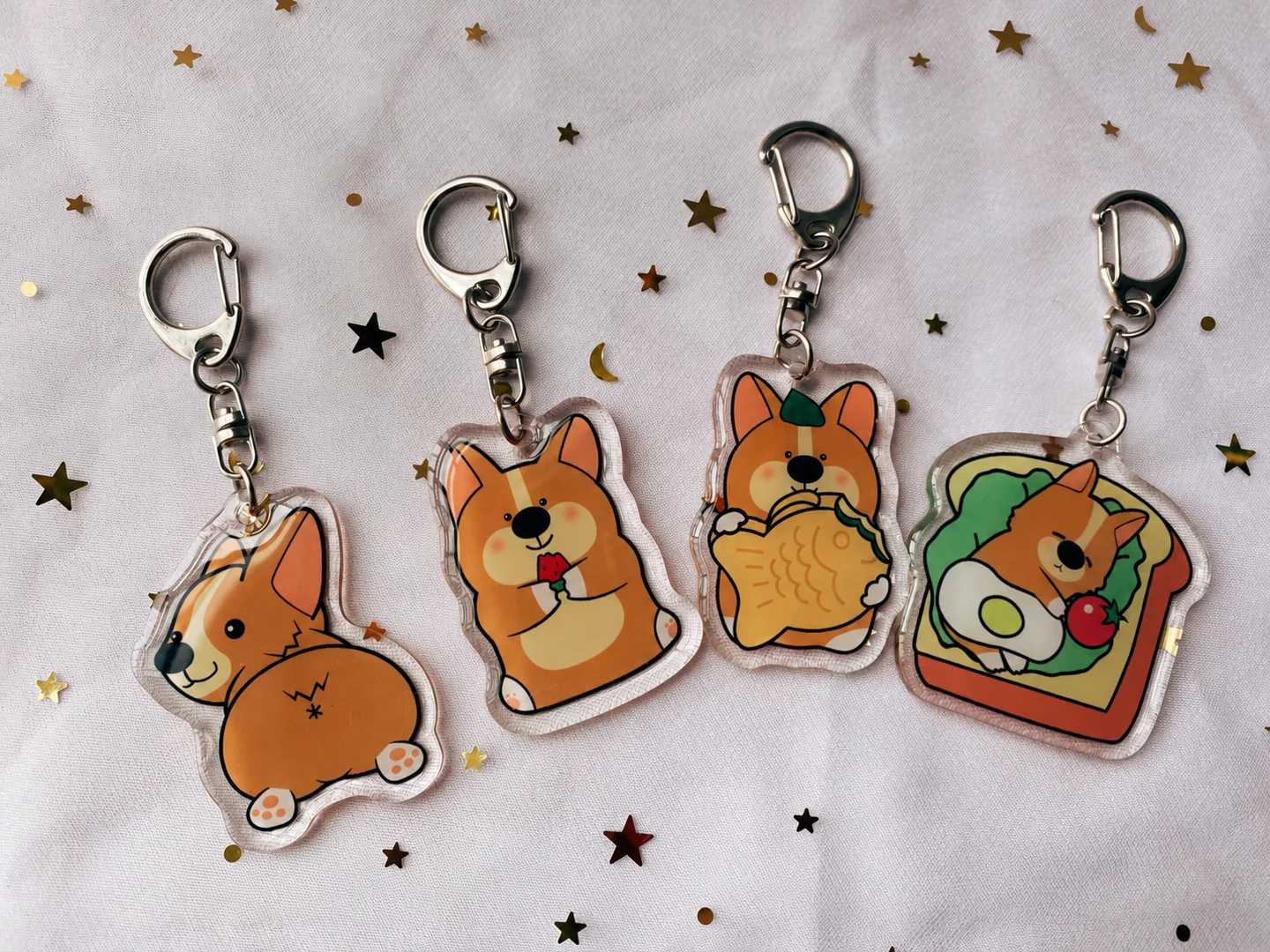
Acrylic: printed charm references
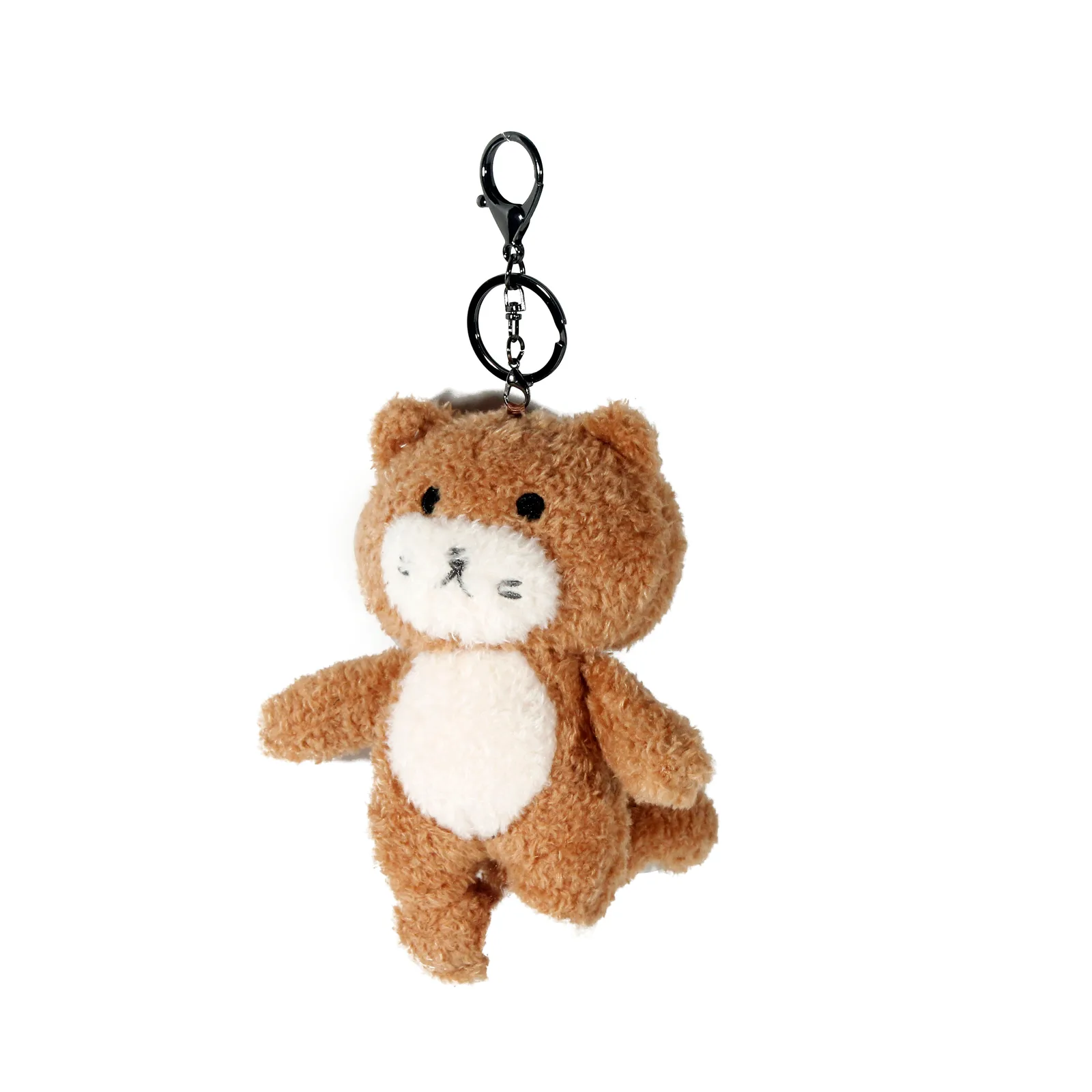
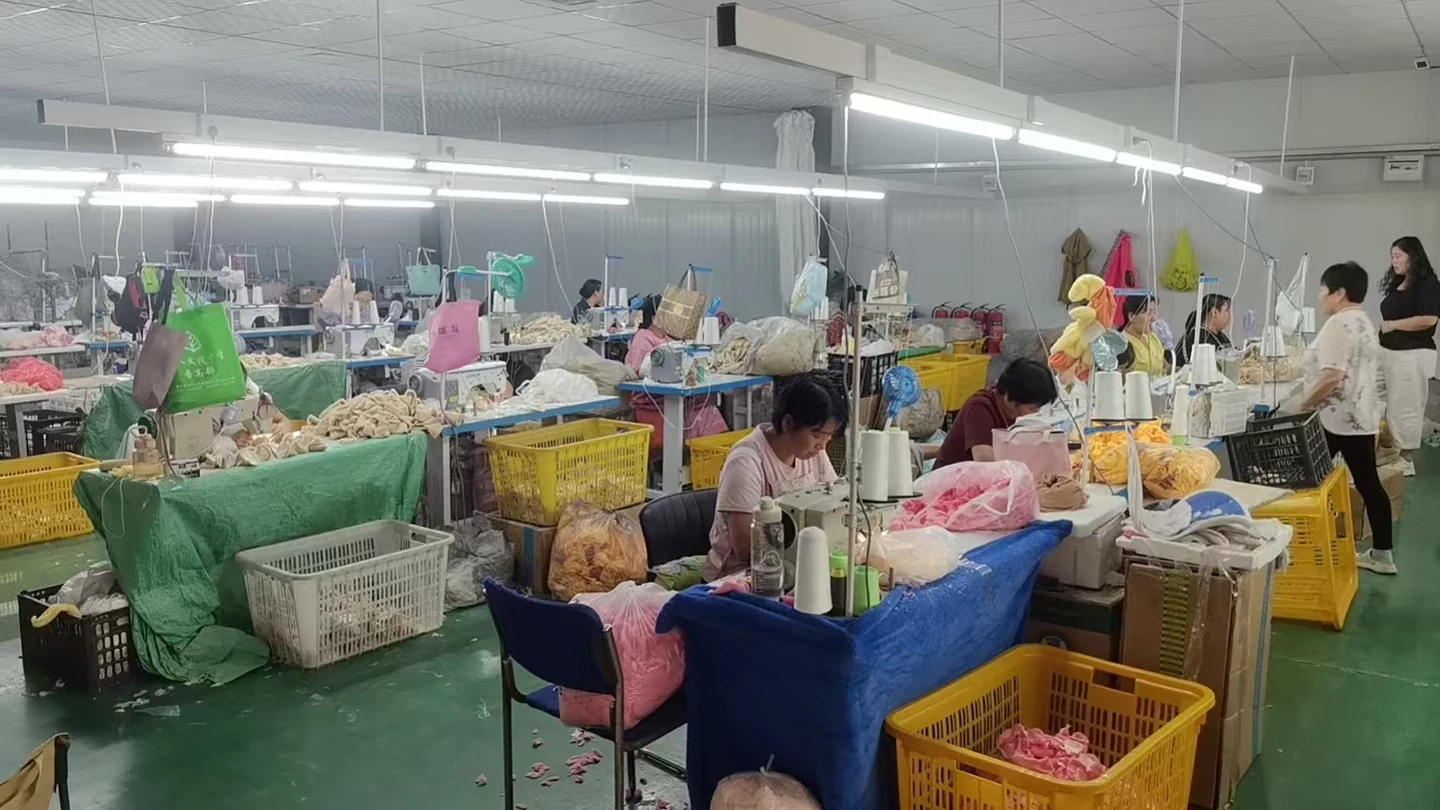
Plush: product and sewing workstations
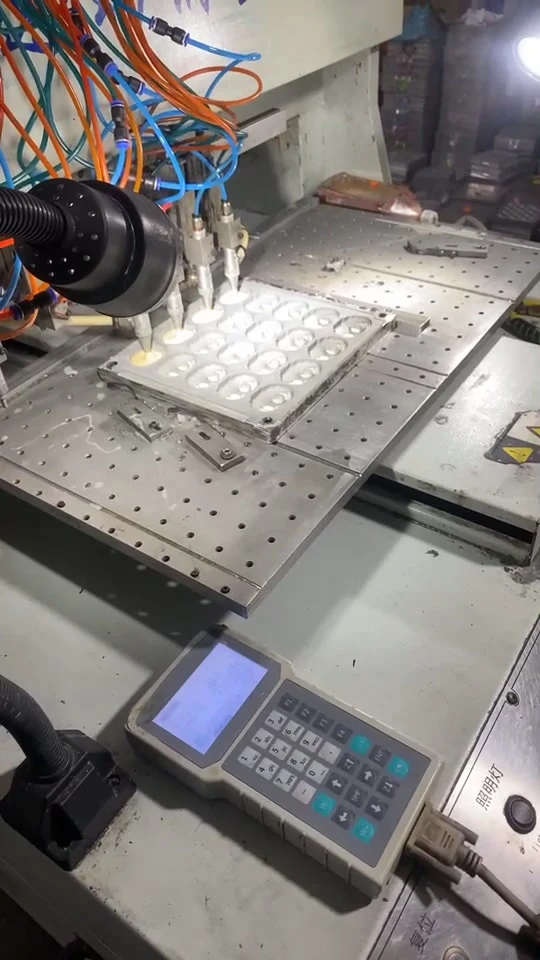
Soft PVC: relief assembly and dispensing

Silicone: shaped sample, workshop and color preparation
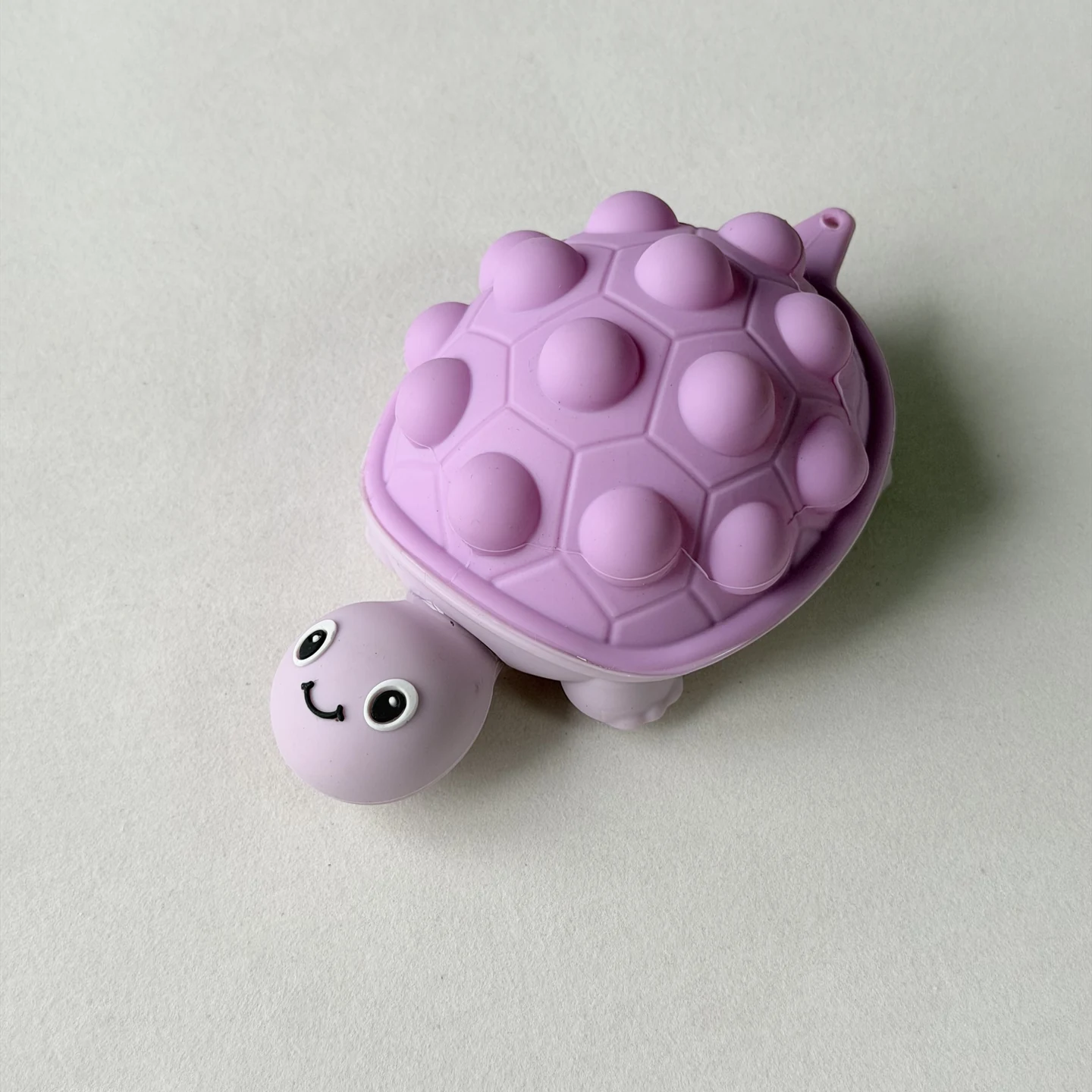
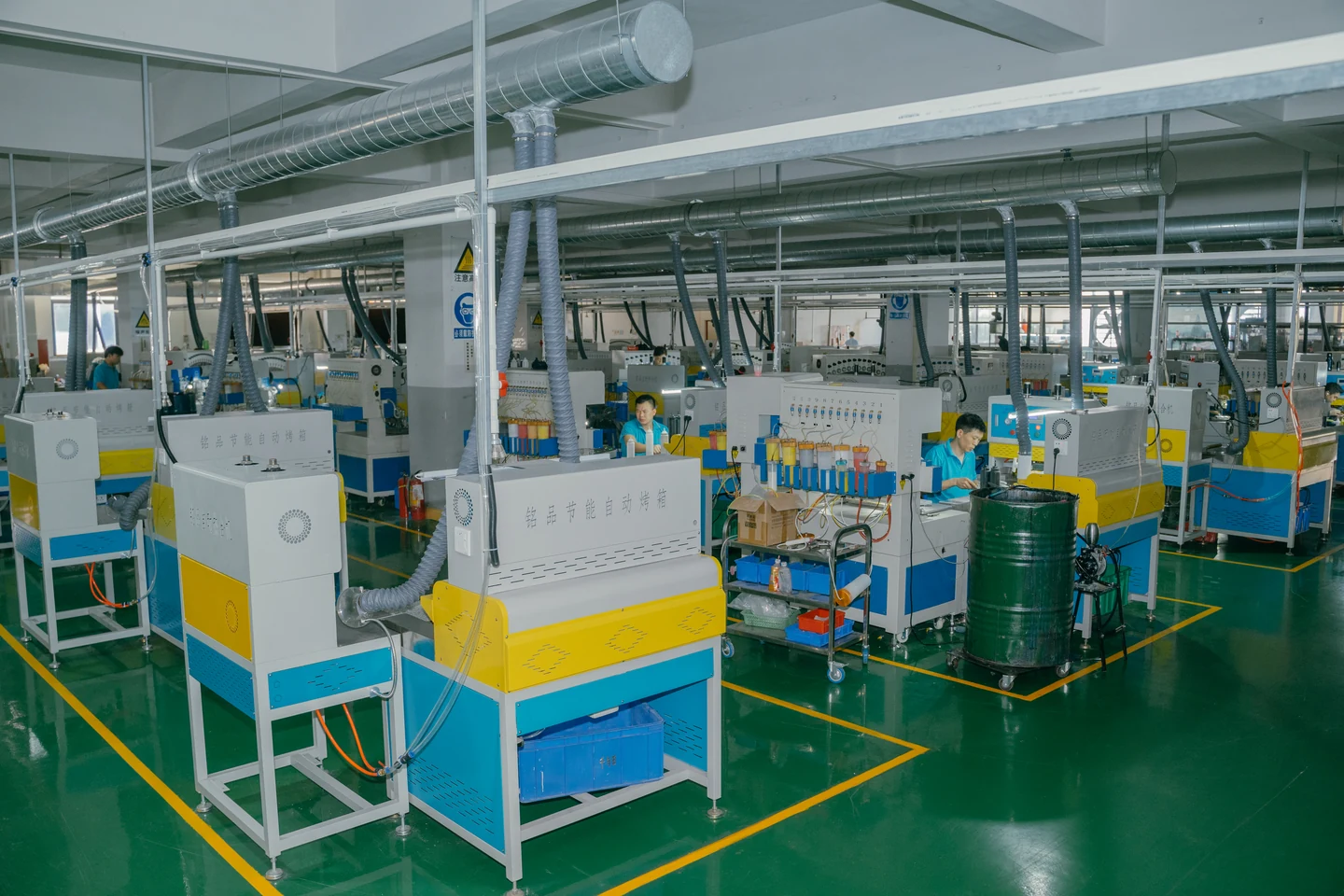
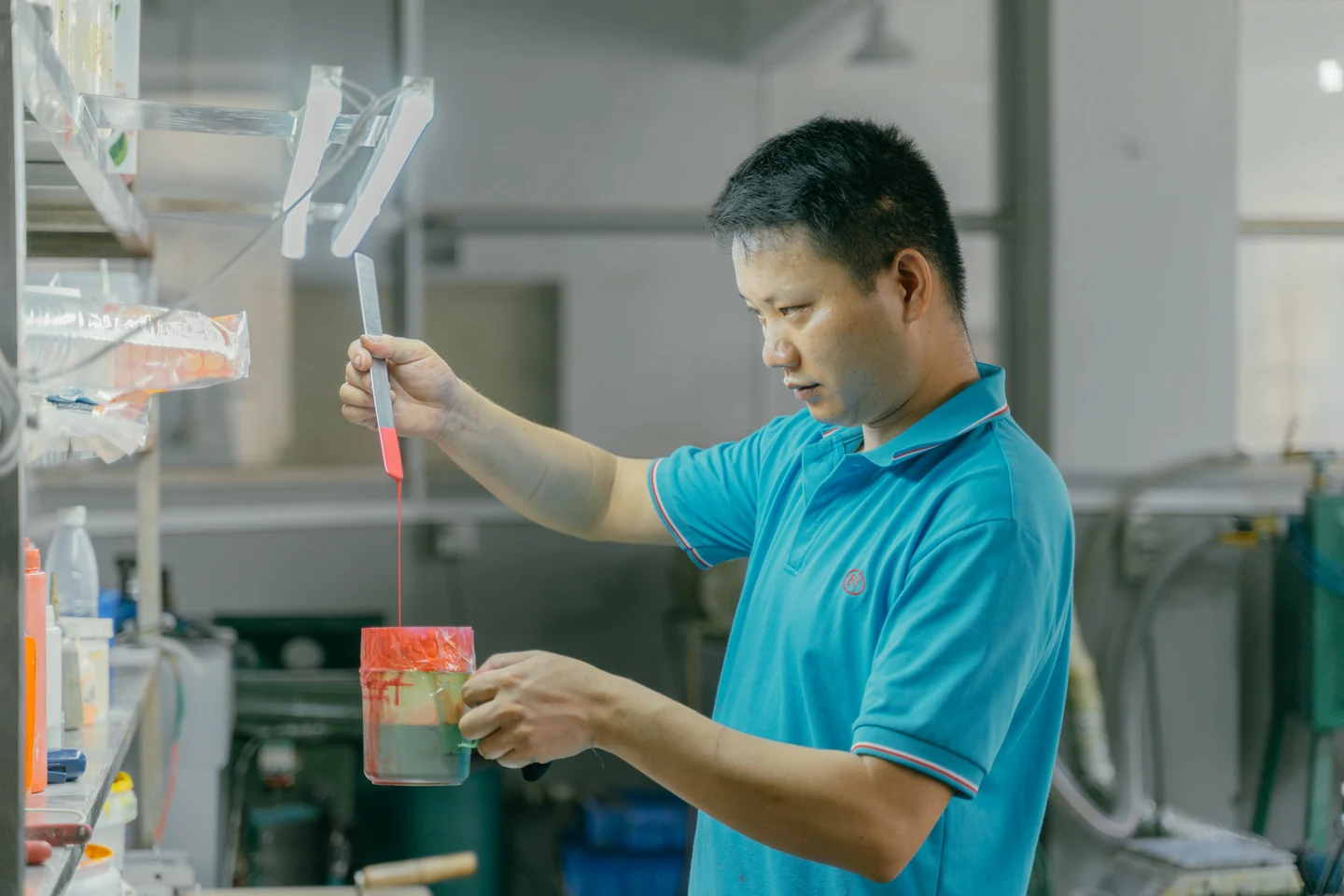
Metal: decorative assembly and small-part workstation


PU / leather-style: sewn structure and workstation


Beads and cord: complete assembly reference

Compare consistency, complete cost and timing
- Consistency: specify the body, decorations, connectors and fittings separately; retain one approved sample, color reference and defect criteria, with the same version used for reorders.
- Cost: compare identical size, per-design quantity, colors, assembly and packing, with product, development/tooling, sampling and delivery charges separated. A material name alone does not establish a fixed price ranking.
- Timing: record approval dates for design, material, tooling or pattern, physical sample and packaging; distinguish production completion, dispatch and arrival.
Review the keychain purchasing hub and style gallery, then request a proposal and quote with your material direction, quantity per design, references and required in-hand date.
For detailed routes, review acrylic, PVC, plush, metal, leather/PU and beaded constructions. Request a project review for routes without their own category page.
Separate an Existing Style From a New Custom Shape
An existing style with a logo is a different development route from a new shape made from buyer artwork.
For selected Eversun reference styles, adding a logo can start from 100 pieces. New product shapes have material-specific minimums, which are confirmed in the project quotation. This distinction matters because new shapes may require fresh cutting files, molds, tooling, embroidery files or structural development.
When requesting a quote, state which route you want:
- Existing style with logo: identify the product code or reference style and describe the logo and packaging changes.
- Existing construction with a new graphic: keep the basic material and hardware route but replace the visible artwork.
- New custom shape: submit artwork, target dimensions, material preference and reference images for feasibility review.
- Mixed-material project: provide a component list showing how the main body, charm, strap, ring, chain, tassel or tag should connect.
This prevents a low minimum for an existing style from being mistaken for the minimum on a newly tooled product.
Define MOQ Per Design, Colorway and Package
MOQ discussions should be tied to a specific configuration. “500 pieces total” can mean 500 pieces of one design or a combination of several designs, and those are not always equivalent in production.
Ask the supplier to confirm:
- MOQ per design
- MOQ per colorway
- MOQ per material or process
- whether several designs can share the total quantity
- whether custom packaging has its own minimum
- whether the quoted unit price changes with the SKU mix
- whether mold, setup, sample or packaging charges are separate
For a first retail test, fewer designs with clearer quantities are often easier to sample, inspect and replenish than a large assortment with very small quantities per SKU.
Turn the Artwork Into a Production Brief
A logo file alone does not define a finished keychain. A production-ready brief should show how the artwork relates to the shape, material and attachment.
Include:
- vector artwork when available
- a high-resolution reference image if vector artwork is not ready
- the target width, height and thickness
- the logo position and approximate print, engraving, embossing or molded area
- front, back and side requirements
- required colors or approved color references
- the hole, loop or connector position
- the preferred ring, chain, clasp or strap
- any text that must remain legible at the finished size
- packaging artwork, barcode and warning copy where applicable
Small details may need to be simplified for a compact product. Fine lines, narrow gaps and small text can behave differently in printing, molding, embroidery and metal filling. Ask for a digital proof or sample rather than assuming that the original screen artwork will transfer without adjustment.
You can use the Upload Artwork page when the files are ready for review.
Specify the Hardware as Part of the Product
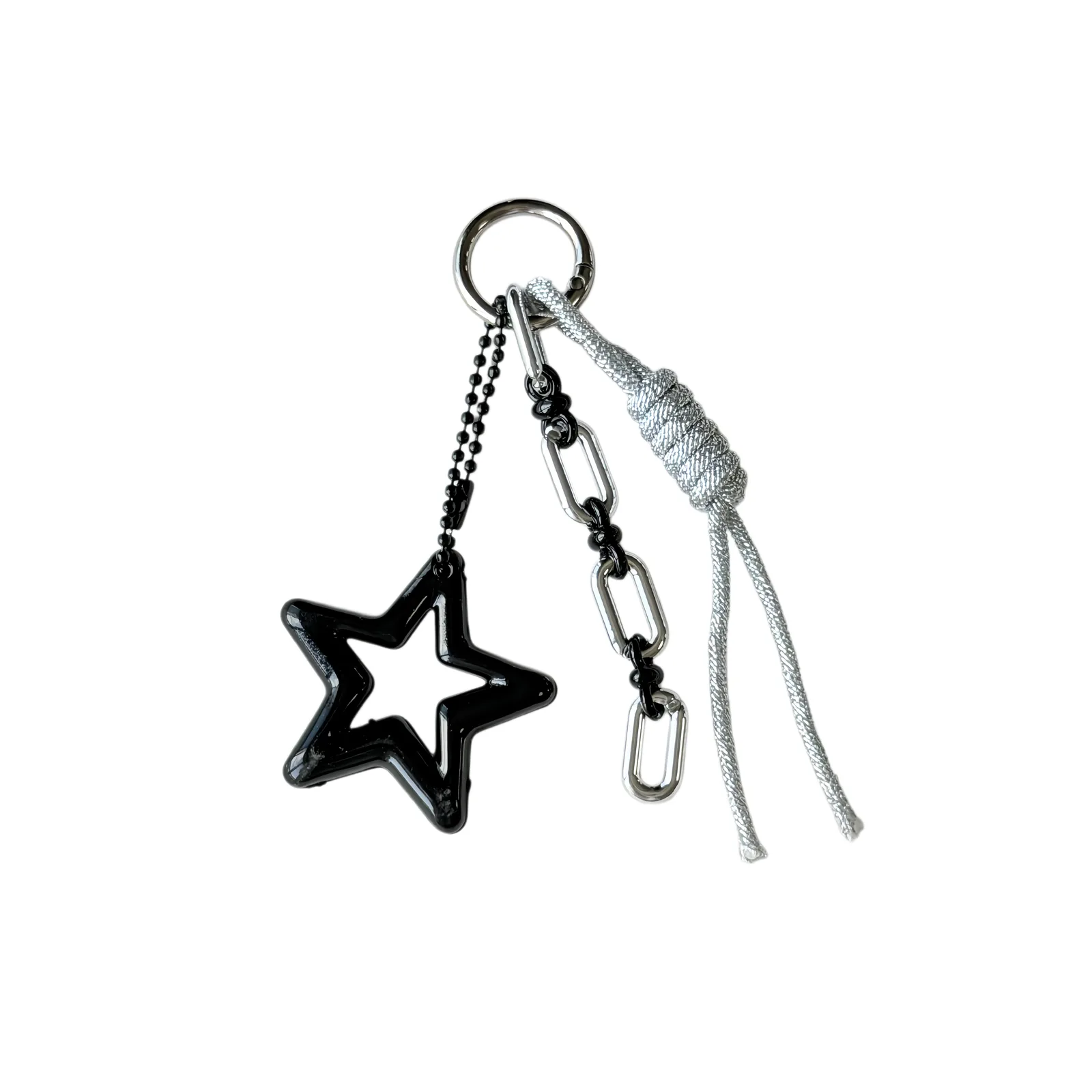
The attachment is not a minor accessory. It affects usability, appearance, weight, packaging and durability.
A complete hardware specification can include:
- split ring diameter and wire thickness
- chain length and link style
- lobster clasp, swivel clasp, snap hook or carabiner type
- jump ring size and quantity
- metal color and surface finish
- connector loop material
- tassel, strap or secondary charm
- assembly orientation
- pull or opening checks required for the intended use
When comparing quotations, confirm whether the same hardware is included in every option. A lower price may reflect a different ring, thinner connector or simpler finish.
During sample review, check how the keychain hangs, whether the clasp opens easily, whether the ring deforms during normal use and whether plated parts match the approved color direction.
Use Samples to Approve the Actual Configuration
The sample route should match the purchasing risk.
Eversun separates existing reference samples from newly made custom samples. Buyers can also request material samples, pre-production samples or packaging samples. A reference sample may be provided free by agreement while the buyer pays freight, but that does not mean every library sample or new custom sample is free.
Custom sampling fees for acrylic and plush projects may be refunded or credited under the agreed project terms. Other materials do not support this refund or credit. Confirm the amount, conditions and timing before sampling.
When reviewing a sample, record the result instead of replying only with “approved.” Check:
- overall dimensions and thickness
- material and visible finish
- color against the approved reference
- logo size, position and clarity
- edge quality and surface defects
- hardware type and assembly direction
- attachment strength and function
- front and back appearance
- packaging fit, orientation and protection
- any label, barcode or insert
Photograph the approved sample and keep the approved artwork, specification and comments together. Any change after approval should be recorded before bulk production begins.
See Order Samples Before Bulk Production for the available sample request routes.
Plan Packaging With the Product
Packaging affects presentation, protection, packing labor and shipping volume. It may also introduce separate printing setup or quantity requirements.
Common directions include:
- bulk packing for event distribution or local repacking
- individual protective bags
- printed backing cards for hanging display
- hang tags or branded labels
- gift boxes or presentation packs
- barcode, SKU or destination labels
- inserts, warnings or care information
- export cartons with agreed carton marks
Provide the sales channel and packed-product requirement when asking for recommendations. A backing card for a light acrylic keychain will not necessarily suit a heavy metal piece or a plush character with a long attachment.
For retail packaging, confirm the product orientation, attachment method, card or box dimensions, barcode placement, print artwork and number of pieces per carton. Request a packaging sample when fit or presentation is important.
Review the available Packaging Options while preparing the quote brief.
Separation and protection packing reference

Factory records are grouped by the visible process. Photographs do not replace specifications, batch inspection or the project schedule.
Compare Quotations on the Same Basis
A useful quotation should be connected to a version of the specification. When comparing suppliers or options, use the same quantity, material, dimensions, hardware, logo method and packaging.
Check whether each quotation includes:
- product material and construction
- finished dimensions
- logo or artwork method
- hardware and finish
- quantity per design
- mold or setup charge
- sample type and sample charge
- unit price
- individual packaging
- export packing
- inspection or testing requested by the buyer
- shipping term, destination and freight scope
- validity period and expected schedule
The lowest unit price is not directly comparable if another quotation includes a mold, stronger hardware, retail packaging or a different delivery scope.
Build a Bulk Quality Checklist Before Production
Quality requirements should be written before the order is produced. Use the approved sample and specification as the reference.
A practical checklist may cover:
- Correct design and quantity by SKU
- Finished size and thickness
- Material and surface appearance
- Logo clarity and placement
- Color and finish consistency
- Edge, seam, plating or molded-detail quality
- Correct ring, clasp, chain or strap
- Secure assembly and normal function
- Correct individual packaging and labels
- Correct carton quantity and carton marks
Define which defects are unacceptable for the project. Examples can include missing components, wrong artwork, unreadable text, loose attachments, sharp edges, visible scratches, incorrect packaging or mixed SKUs.
The inspection method should follow the material and intended use. Avoid adding generic tests that do not match the product, and do not leave important functional checks until after shipment.
Follow a Clear Order Sequence
A controlled bulk order usually follows this sequence:
- Share the product idea, use case and artwork.
- Confirm the material, size, hardware, logo method and packaging direction.
- Review the quotation and sample route.
- Approve the physical sample or agreed proof.
- Confirm the final production specification and quantity by SKU.
- Begin bulk production and agreed quality checks.
- Pack according to the approved plan.
- Confirm shipping preparation and destination information.
Eversun’s Custom Accessory Order Process outlines the same checkpoints from idea to packing and shipment preparation.
Put open conditions into the RFQ and schedule
- If names, locations or other content vary by piece, who checks the final data list, and when must changes stop?
- Working back from the required in-hand date, when must artwork, personalisation data, samples and packaging be approved, and which stage changes if one input is revised late?
RFQ Checklist for Personalized Keychains in Bulk
Send the following information for a more accurate review:
- company or brand name
- intended market and use case
- reference style, sketch or artwork
- existing style or new custom shape
- preferred material
- target dimensions
- quantity for each design and colorway
- personalization method or logo requirement
- preferred hardware
- individual and export packaging requirements
- sample request
- destination country
- required delivery date
- any buyer-required testing, labeling or documentation
If some decisions are still open, identify them clearly. A supplier can recommend options more effectively when the use case, quantity and target result are known.
Frequently Asked Questions
What is the MOQ for personalized keychains in bulk?
MOQ depends on the selected style, material, design and packaging. Selected Eversun existing styles with a logo can start from 100 pieces. New shapes have material-specific minimums, which are confirmed in the project quotation.
Can I receive a free sample before placing the bulk order?
A reference sample may be provided free by agreement, with freight paid by the buyer. This does not mean all existing samples or new custom samples are free. Custom sample charges and any refund or credit terms should be confirmed before sampling.
Which material should I choose?
Start with artwork, desired feel, budget and use, then compare the material table in this guide. Printed graphics, sculpted forms, squeeze feel, sewn structures and bead combinations need different checks. Assess resin, acrylic, plush, soft PVC, silicone, slush/rotocast forms, injection-molded ABS and TPR separately; metal, leather/PU, textiles, cord and beads may also be combined. Confirm the final material and construction in the specification and approved sample.
What causes two bulk keychain quotations to differ?
Common variables include the material, size, thickness, shape, mold requirement, logo method, color count, hardware, quantity per design, sample route, packaging and delivery scope. Compare quotations against one written specification.
What should I send for a quotation?
Send the artwork or reference image, desired material, size, quantity per design, hardware preference, packaging requirement, destination country and requested delivery date. State whether you need an existing sample, a new custom sample or a packaging sample.
Prepare Your Personalized Keychain Project
Start with the use case, then confirm the product specification before focusing on the unit price. A clear brief makes it easier to compare options, approve a sample and inspect the finished bulk order.
Browse Eversun’s custom keychain styles or request a quote with your artwork, quantity, material direction, hardware, packaging and destination country.
Author: Eversun Accessory