
Wholesale Bag Charms
Article contents
- 1. Define the bag and the buying brief
- 2. Compare the construction and the evidence you need
- 3. Record body size, hanging length and assembled weight
- 4. Check the clasp and the complete connection
- 5. Choose the customization route before requesting samples
- 6. Make the selection from a documented sample review
Purchasing priorities
- Consistency: Once a bead palette, metal finish or plush character is selected, which appearance and connection details must remain consistent in bulk orders and replenishment?
- Total cost: For the same bag-fit and presentation requirements, are you comparing complete options with fittings, branding and packaging, rather than assuming cost from a material name?
- Timing: Does each candidate rely on existing components, new development or special sourcing, and do those preparation requirements fit the planned launch date?
Compare beaded, metal and sewn plush designs by how the complete charm works on your bag, carries your brand and reaches the retail shelf.
For buyers sourcing wholesale bag charms, a useful comparison starts with the complete design on the intended bag. Its appearance, hanging position, branding and packaging all affect the choice. A material name cannot establish finished weight or order cost. Select a direction, check a sample with its full attachment, and record the details that must remain consistent in the bulk order.
1. Define the bag and the buying brief
When you buy bag charms wholesale, keep the use case consistent across the options being compared. A compact handbag, a backpack and a gift set can need different drop lengths, shapes and presentation. Start with these inputs:
- Bag reference: a photo of the bag and the intended handle, ring or loop.
- Visual aim: a decorative accent, a recognizable character or a visible brand detail.
- Order scope: quantity per design, number of colors and whether the shape is existing or newly developed.
- Sales format: individual retail item, gift-set insert or branded giveaway, with its packaging requirements.
The custom bag charm collection is the starting point for product directions. The comparison below helps narrow those directions into a sample brief.
2. Compare the construction and the evidence you need
Product and component appearance references
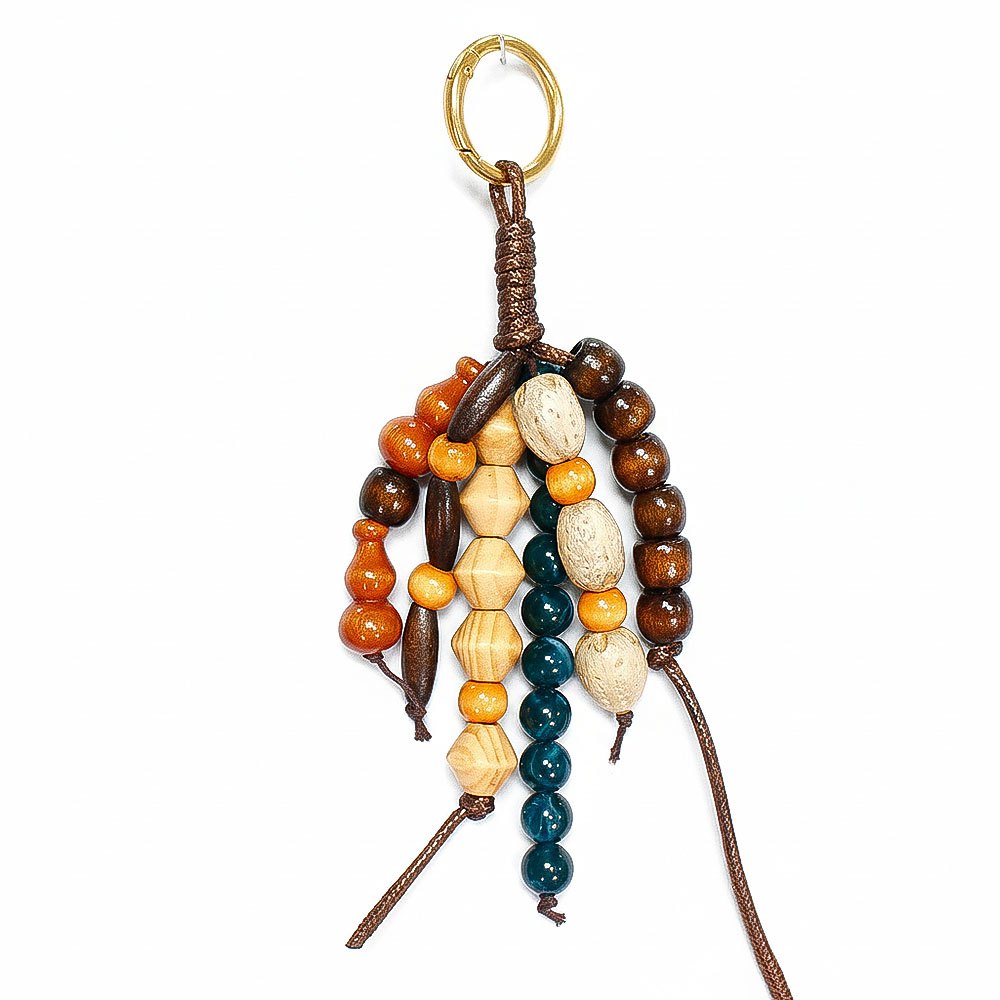

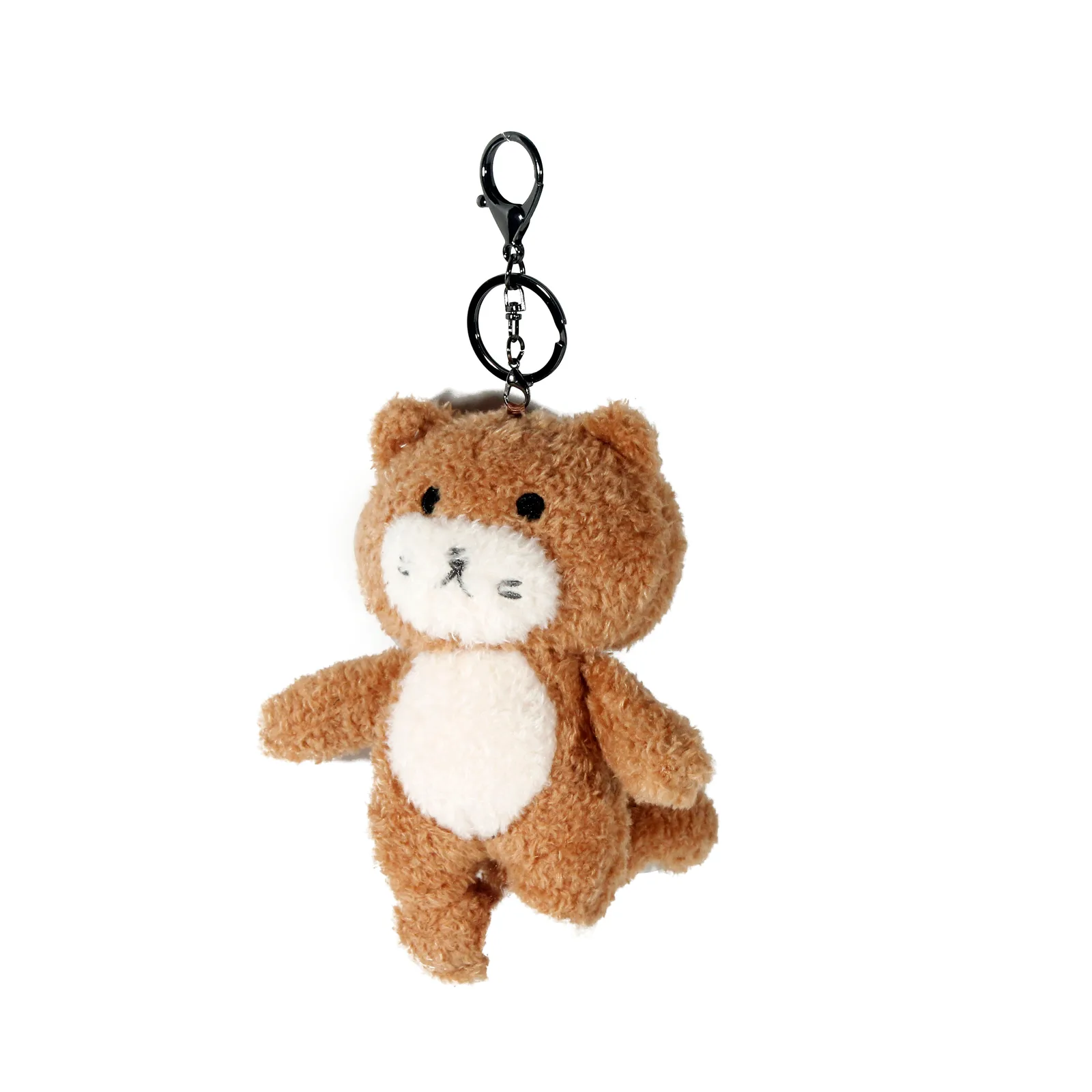
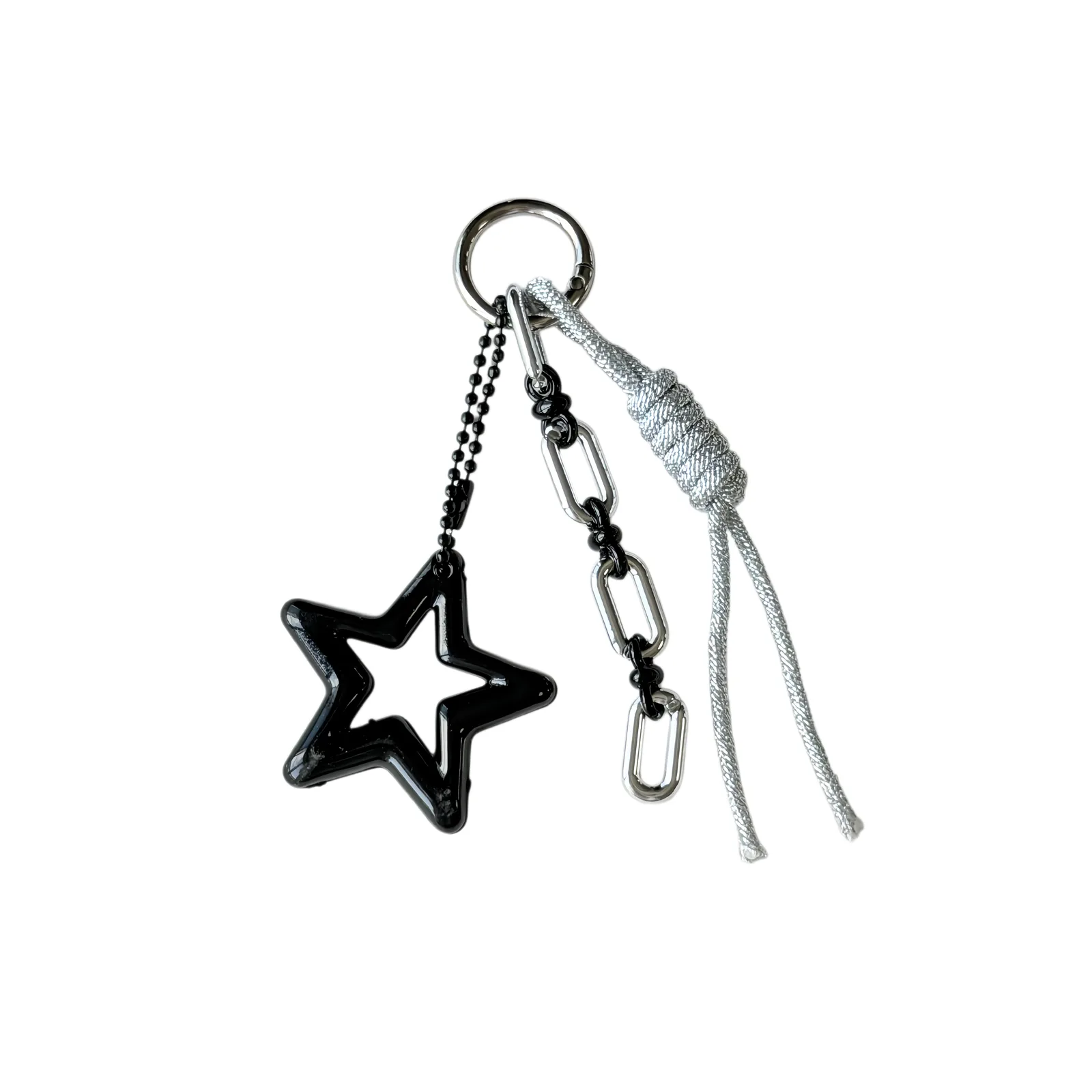
Separate photographs are not a same-scale group capture. Use them to discuss appearance and assembly, not as batch inspection or lead-time evidence.
Compare each route by what you can adjust and what the sample must demonstrate. Mixed-material designs need the same review: a plush body with a metal tag or a bead strand with a metal pendant should be assessed as one assembly.
| Route | Details to define | Branding direction | Sample checks |
|---|---|---|---|
| Beaded bag charms | Bead material, sizes, sequence, color references and connector layout. | Logo charm or tag, engraved plate, or printed backing card. | Bead color consistency, knot and connector condition, hardware tone and balance on the bag. |
| Metal bag charms | Base component, outline, surface finish, color detail and chain or clasp arrangement. | Engraved, stamped or enamel-filled detail, or a separate logo tag. | Finish reference, edge feel, surface marks, clasp movement and contact with the bag. |
| Plush bag charms | Character views, fabric, sewn shape, filling, facial detail and hanging loop. | Embroidery, woven label, hangtag or a separately attached logo tag. | Recognition at finished size, shape, seam and loop condition, hanging angle and recovery after unpacking. |
If the range is built around color combinations and decorative components, assess a beaded bag charm first. Check the complete combination against the brand palette. A similar-looking replacement bead can alter the proportions, finish or balance.
If a flat logo outline and surface effect are central to the design, assess a metal bag charm first. Separate the body specification from its surface treatment and attachment. A metallic color reference does not define the base material or finish. Approve the required appearance on the sample and identify any additional market or retailer requirements in the project brief.
If the concept needs a sewn three-dimensional character and tactile fabric, assess an ordinary sewn plush bag charm first. Review the front and side while hanging. Fabric pile, filling and the position of a loop can change the apparent shape or cover important facial details. Vinyl-face hybrids and special constructions require a separate development assessment.
These starting points match the project goal. Confirm assembled weight, contact with the bag, quantity and budget using the complete sample and its quote before selecting the final route.
Process references for different material routes
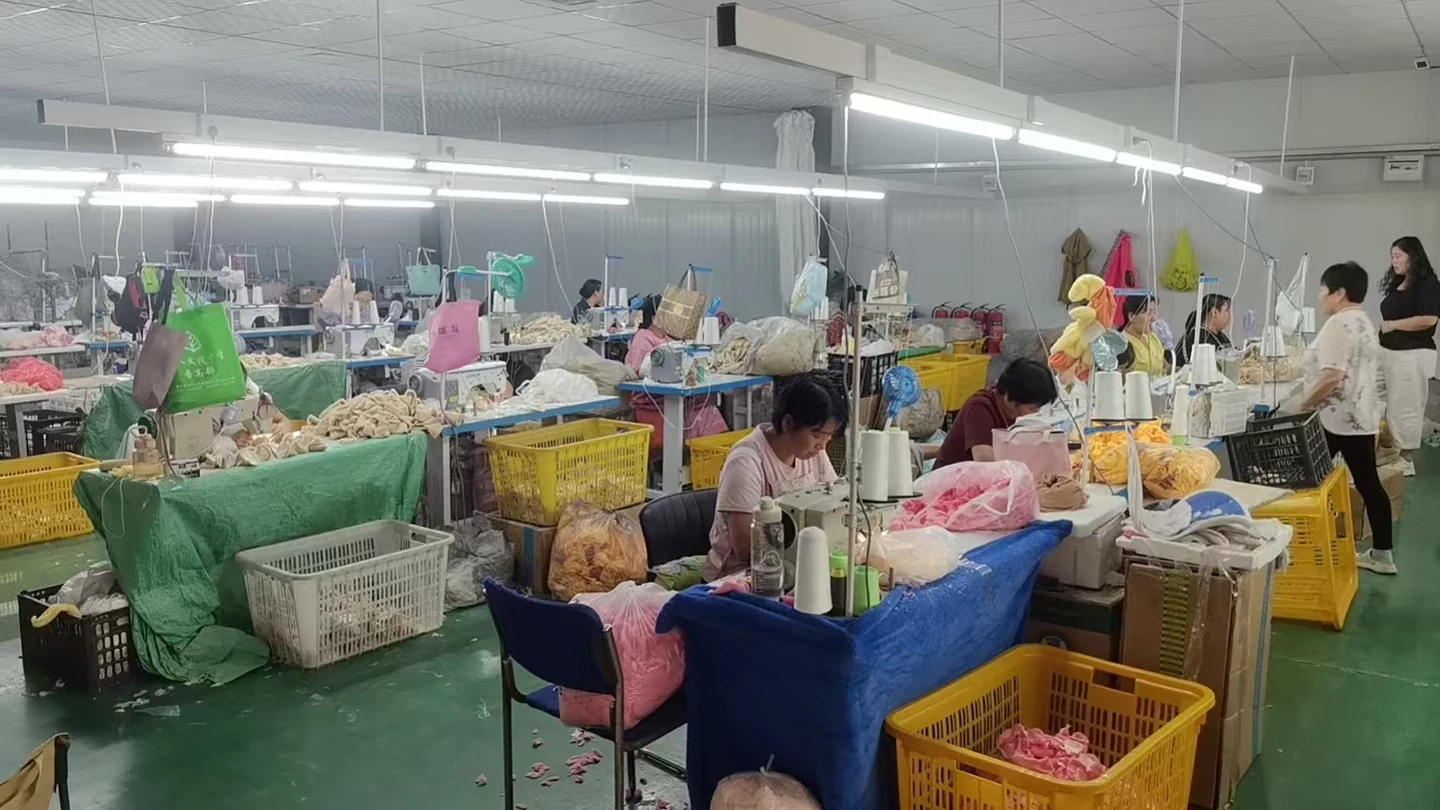

Factory records are grouped by the visible process. Photographs do not replace specifications, batch inspection or the project schedule.
3. Record body size, hanging length and assembled weight
Define bag charm size with separate measurements. Record the body height, width and depth, then the overall hanging length from the bag attachment point to the lowest part of the complete charm. A supplier’s body-height figure may exclude a chain, clasp, cord or projecting accessory.
Weigh the complete sample with its clasp, rings, chain, logo tag and other permanent components. Compare options on the same bag and from the same attachment point. Note whether the charm turns, swings into a zipper, presses against the bag surface or covers another detail.
Keep the measured weight beside a sample reference and version. The dimensions and full assembly determine the result, so do not assume that every metal design is heavier than every bead or plush design. Use the actual samples to decide which option gives the required appearance and handling.
4. Check the clasp and the complete connection
Bag charm hardware should be selected with the bag attachment point in view. The available product directions include lobster clasps, split rings, swivel hooks and short chain connectors. Ask for the proposed fitting dimensions and show where it will attach.
A bag charm clasp needs enough opening and clearance for that specific ring or loop. Check how it opens and closes, whether the connector can move freely, and how the finished charm faces when suspended. A longer connector changes the overall drop and may change where the charm touches the bag.
Review the entire connection from the bag to the charm body. For beads, include the cord, knot and connecting rings. For sewn plush, include the loop and stitch area. For metal, include the chain and body attachment. Agree on any additional checks needed for the destination market and buyer’s use rather than assuming one universal load requirement.
5. Choose the customization route before requesting samples
For a custom beaded bag charm, specify which parts of the reference must remain and which can change: bead colors, sequence, pendant, hardware tone or branding. For a custom plush bag charm, identify the character’s essential face, outline and colors before adjusting small details for the finished size.
Separate an existing style with your logo added from a new shape. At Eversun, existing-style logo orders can start from 100 pieces. A newly developed ordinary sewn-plush shape requires at least 1,000 pieces per design. Confirm new beaded and metal development quantities in the project quote. Quantities for different designs are not combined to meet one minimum.
Choose where the brand should be seen when the charm hangs. A tag, label or card must support the intended presentation. Confirm its size, placement and attachment on the sample along with the charm.
6. Make the selection from a documented sample review
Keep one record for each candidate and sample version. Use the following evidence to support an approve, revise or hold decision:
- Front, side and hanging photos on the intended bag.
- Body dimensions, overall drop and measured assembled weight.
- Bead, fabric or finish references, plus the agreed logo position.
- Clasp-fit and connection observations, with any concerns marked for review.
- Appearance after unpacking and fit within the planned retail packaging.
- The selected option, reason for selection and outstanding changes.
Download the blank material-selection record and add one row per option. It contains fields for your requirements, measurements and evidence references. No preset product measurements or acceptance limits are supplied.
Use the sample request service to discuss the reference or custom sample needed for this review. Once the material and attachment direction are clear, follow the bag charm quotation preparation guide and send a bag charm quote request with the selected reference, quantity per design and packaging needs.
Put open conditions into the RFQ and schedule
- After the selection sample is approved, are non-substitutable details such as bead sequence and colour, metal finish or plush facial features recorded, and how will replacement components be approved on a reorder?
- Which candidate still requires development or sourcing of a critical component, and could that preparation time change the final selection or target launch date?